
When it comes to manufacturing excellence, organizations often tout their commitment to quality. Departments are established, procedures are enforced, and teams work tirelessly to ensure that every product leaving the facility meets strict standards. However, amidst this focus on quality assurance and control, there’s one persistent blind spot that quietly erodes profit and undermines improvement: problem solving.
The Real Goal of Quality
At its heart, quality is about delivering products that meet or exceed customer expectations, every single time. Every quality initiative, whether it’srobust process design, meticulous documentation, or comprehensive training, aims to boost your chances of achieving that elusive goal—100% good product.
But the reality is stubborn: perfection is rare. Variability in people, machines, materials, and methods means that even the most optimized processes encounter defects. The question becomes not whether problems will arise, but how effectively we respond when they do.
Why Rolled Throughput Yield (RTY) Matters
Let’s put some numbers behind this. Imagine a process with ten steps, each boasting a 99% yield. That sounds impressive—until you consider the compounding effect. Multiply 0.99 by itself ten times, and the total process yield drops to about 90.4%. That’s nearly a 10% loss, and that’s just for a relatively simple process! Many factories run much lower RTYs, and the impact on profitability and reputation can be devastating. RTY exposes the true effectiveness of your quality system. Unlike final yield, which can mask deep-seated issues, RTY reveals weaknesses throughout the value stream, making it an essential metric for any quality leader.
The Organizational Blind Spot
So where does problem solving fit in? Too often, the very leaders tasked with delivering quality see problem solving as a last resort—a concession that prevention has failed. As a result, the focus tilts overwhelmingly toward Prevention (robust process design, training) and Appraisal (inspections, tests).
Yet, if you analyze your Cost of Quality, a sobering picture emerges. The vast majority of losses come from Internal Failure (scrap, rework, downtime) and External Failure (returns, warranty, customer complaints)—not from the relatively modest outlay on Prevention and Appraisal. Most quality teams spend nearly all their resources on preventing and detecting problems, but far less on eradicating root causes when things slip through.
Ask yourself: where are the dedicated problem solvers in your organization? Most companies don’t have a team solely focused on attacking and eliminating the most expensive, recurring issues. Quality engineering teams are crucial, but often their workloads revolve around compliance, data analysis, and system monitoring, not root cause eradication.
Why Problem Solving Deserves Dedicated Focus
Manufacturing is inherently complex. Even the best FMEA (Failure Mode and Effects Analysis) sessions can miss critical risks. Sometimes, the realfailure cause—like a rare equipment wear-out or a subtle programming bug—doesn’t emerge until costly defects have piled up. If your quality organization isn’t equipped to react quickly and skillfully, these undetected issues can drain millions before they are understood.
A dedicated problem solving team, staffed with technically adept and experienced professionals, can be the difference between chronic quality losses and true operational excellence. What makes such a team unique is not just their knowledge of the process, but their ability to apply advanced problem solving tools—statistical analysis, experimentation, and root cause investigation—to unearth the weak points in your system of production.
The Transformative Impact of Problem Solvers: A Real Example
Consider the case of ABC Company . For nearly two years, they battled a recurring defect that cost over a million dollars in lost product. Several teams failed to crack the case. Only when an experienced professional dug into the problem did they uncover the culprit: a worn machine part, supposedly rated for 100,000 cycles but failing after a fraction of that.
This breakthrough didn’t just save money; it taught the entire team valuable lessons about their equipment, supplier claims, and maintenance practices. They systematized these lessons, applying them to other lines, and turned a lingering vulnerability into a source of competitive advantage.
The Path Forward: Make Problem Solving a Strategic Priority
If your failure costs remain stubbornly high, your quality system is telling you something. Prevention and appraisal are necessary , but not sufficient. You need to give problem solving the organizational weight it deserves—with dedicated people, training, and authority to drive systemic improvements.
What should this look like?
Establish a cross-functional problem-solving group within Quality, populated by seasoned engineers and process experts. Invest in advanced tools and methods: statistics, root cause investigation, DOE, and much more.
Empower the team to learn from every failure—and spread the lessons quickly across the organization.
Track impact: Measure the savings and improvements resulting from root cause elimination, not just detection or containment.
Closing Thoughts
True leadership in quality means facing reality: even the best systems will fail from time to time. By institutionalizing advanced problem solving—not as a last-ditch effort, but as a strategic pillar—you give your organization a powerful lever for continuous improvement and long-term success.
Don’t overlook problem solving. Make it central to your quality strategy, and watch your results transform.
Belfield Academy offers an online certification course on Industrial Problem Solving – Advanced Techniques. Course materials developed by an accomplished quality engineer and master black belt with 30+ years of experience in manufacturing.




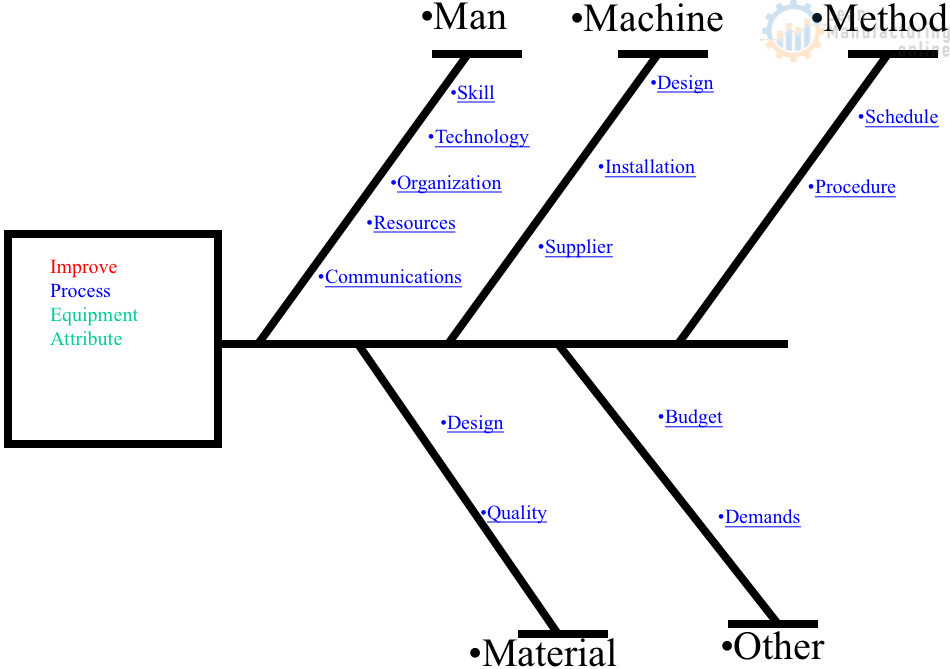
4M Analysis Process
The purpose of this procedure is to define the steps to do a 4M …