Success in the automotive industry doesn’t happen by chance—it’s measured, monitored, and managed. Key Performance Indicators (KPIs) act as the compass for every department, ensuring strategic alignment and continuous improvement. From finance and production to sustainability and new product development, the right KPIs help companies balance cost, quality, and innovation.
Below, we’ll walk through the top 50 KPIs that leading automotive organizations use to stay ahead.
1. Finance KPIs
Financial KPIs reveal the health of the business and its ability to generate sustainable growth.
- Operating Margin – Measures profitability after expenses. Benchmark: >8%.
- ROCE (Return on Capital Employed) – Evaluates returns on total capital. Benchmark: >15%.
- Cash-to-Cash Cycle – Tracks liquidity efficiency. Benchmark: <30 days.
- Cost per Vehicle Produced – Calculates cost per unit. Continuous monitoring required.
- Warranty Cost % of Sales – Shows the cost of warranty claims. Benchmark: <1%.
These indicators ensure financial resources are used efficiently while minimizing risks like excessive warranty claims.
2. Production KPIs
Production KPIs focus on operational excellence and minimizing losses.
- OEE (Overall Equipment Effectiveness) – Combines availability, performance, and quality. Benchmark: >85%.
- First Pass Yield (FPY) – Percentage of products built right the first time. Benchmark: >95%.
- Scrap Rate – Scrap versus total production. Benchmark: <1%.
- Downtime Hours – Tracks equipment stoppage. Benchmark: <2% of time.
- Line Efficiency – Output versus standard capacity. Benchmark: >90%.
The goal is to reduce waste and maximize efficiency, ensuring a smooth flow from raw material to finished vehicle.
3. Supply Chain KPIs
Supply chains must be agile, reliable, and cost-efficient.
- On-Time Delivery (OTD) – Timely deliveries. Benchmark: >95%.
- Inventory Turnover – Frequency of stock rotation. Benchmark: >8 turns/year.
- Supplier PPM – Parts per million defects. Benchmark: <50.
- Logistics Cost % of Sales – Transportation and handling costs. Benchmark: <5%.
- Forecast Accuracy – Ability to predict demand correctly. Benchmark: >85%.
These KPIs ensure suppliers meet expectations and customers receive parts on time without driving up costs.
4. HR & Safety KPIs
People are at the center of manufacturing excellence.
- Employee Turnover % – Benchmark: <10%.
- Training Hours per Employee – Benchmark: >40 hours/year.
- Lost Time Injury Frequency Rate (LTIFR) – Tracks safety incidents. Lower is better.
- Absenteeism Rate – Benchmark: <5%.
- Employee Engagement Score – Benchmark: >80%.
Engaged and trained employees reduce risks, enhance productivity, and strengthen workplace culture.
5. Sales & Marketing KPIs
Market-driven organizations measure customer impact.
- Market Share % – Continuous tracking.
- Customer Acquisition Cost (CAC) – Lower is better.
- Net Promoter Score (NPS) – Benchmark: >60.
- Order Fill Rate – Benchmark: >95%.
- Revenue Growth Rate – Yearly increase.
- Customer Complaint Rate – Complaints per 1,000 vehicles. Lower is better.
These KPIs emphasize customer satisfaction, brand loyalty, and sustainable growth.
6. Service (After-Sales) KPIs
After-sales performance strengthens customer trust.
- First Time Fix Rate (FTFR) – Benchmark: >90%.
- Average Repair Time – Benchmark: <2 hours.
- Service Cost per Vehicle – Continuous monitoring.
- Service Revenue % of Total – Benchmark: >20%.
Quick, efficient service reduces costs and strengthens long-term relationships with vehicle owners.
7. Sustainability KPIs
Sustainability drives both compliance and reputation.
- CO₂ Emissions per Vehicle – Benchmark: Continuous improvement.
- Energy Consumption per Unit – Benchmark: <3,000 kWh.
- Water Usage per Vehicle – Benchmark: <1,000 L.
- Waste Recycling Rate – Benchmark: >90%.
- Green Supplier % – Benchmark: >80%.
These KPIs help companies move toward greener, leaner operations.
8. R&D / IT KPIs
Innovation fuels competitiveness.
- R&D Spend % of Revenue – Benchmark: 4–6%.
- Time-to-Market – Benchmark: <30 months.
- Patent Count – Yearly filings, continuous.
- Digitalization Rate – Share of digitized processes.
- Software Defect Density – Benchmark: <1 defect/KLOC.
The aim is faster innovation cycles, fewer defects, and a competitive edge.
9. Quality KPIs
Quality remains the cornerstone of brand reputation.
- PPM (Defects per Million) – Benchmark: <10.
- Cost of Poor Quality (COPQ) – Benchmark: <3% of sales.
- Customer Complaint Score – Benchmark: >95%.
- 8D Closure Time – Benchmark: <30 days.
- Customer Satisfaction Index – Benchmark: >85%.
These KPIs minimize defects, boost customer trust, and ensure compliance.
10. New Product Development KPIs
NPD KPIs align innovation with performance.
- Time-to-Market – Benchmark: <30 months.
- Prototype Success Rate – Benchmark: >85%.
- Budget Adherence – Variance % kept low.
- Change Request Frequency – Should be minimal post-design freeze.
- Launch Quality (0-km Defects) – Benchmark: <100 PPM.
They ensure that new models hit the market on time, within budget, and defect-free.
The automotive industry is fast-paced, competitive, and unforgiving. Tracking the right KPIs across all functions isn’t just about measurement—it’s about creating a culture of performance and accountability. By focusing on these 50 KPIs, companies can achieve excellence from the factory floor to the customer’s driveway.

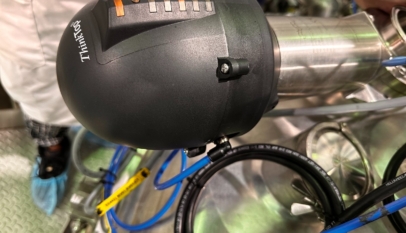




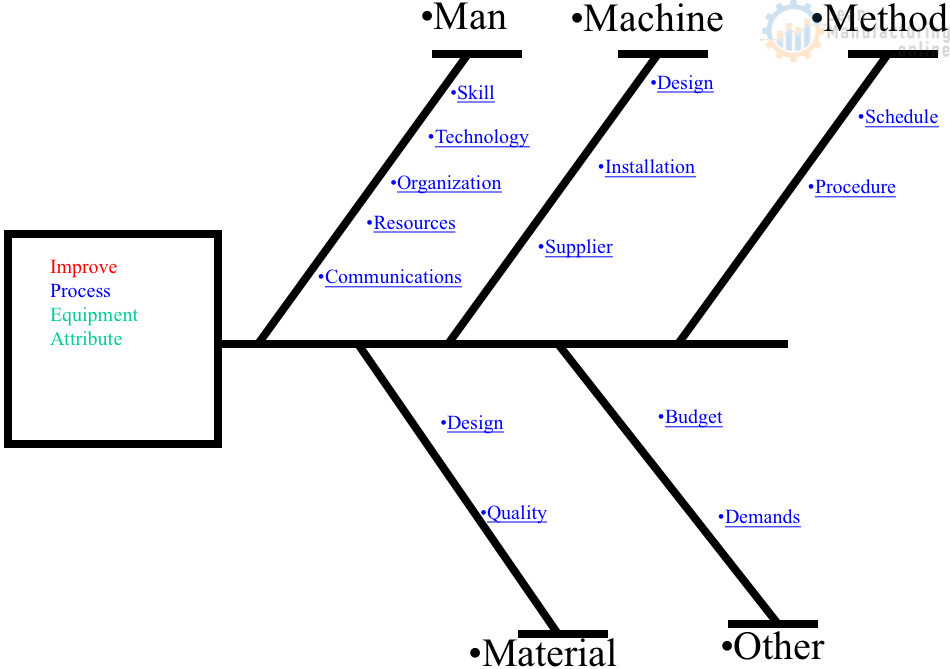
4M Analysis Process
The purpose of this procedure is to define the steps to do a 4M …