Kaizen isn’t just about tools—it’s about thinking differently. Actual continuous improvement comes from adopting mindsets that influence daily behaviour, decision-making, and collaboration. Let’s explore 24 powerful principles that can help any organization build resilience, adaptability, and long-term success.
1. Never Waste a Good Crisis
A crisis is a rare catalyst for change. It forces focus, challenges old habits, and opens minds to new approaches. Leaders who respond with clarity, transparency, and action can transform urgency into momentum.
2. Challenge the Status Quo, Always
Improvement starts when we stop accepting “that’s how it’s always been done.” Questioning processes—not for criticism, but for betterment—keeps innovation alive.
3. Blame the Process, Not the People
Shifting the focus from individuals to systems removes defensiveness. Problems usually stem from flawed processes, unclear expectations, or inadequate resources—not from bad intentions.
4. Best Ideas Come from the Frontline
Those who live the process see inefficiencies first. Creating a culture where frontline voices are heard—and acted upon—unlocks hidden potential.
5. Transform Experts into Coaches
Expertise has more impact when it’s shared. Leaders who coach instead of simply directing help teams develop problem-solving skills that multiply over time.
6. No Blame, No Judgment—Just Learning
Mistakes are data. A blame-free culture encourages openness, making it easier to uncover root causes and prevent repeat issues.
7. Simplicity is the Ultimate Sophistication
Complexity hides problems and slows progress. Streamlined solutions are not only easier to execute—they’re easier to sustain.
8. Data Tells You What; People Tell You Why
Metrics reveal performance, but context comes from conversations. Both are essential for meaningful improvement.
9. Problem-Solving Skills are Non-Negotiable
In a Kaizen culture, problem-solving is a core competency for everyone—not just managers or engineers.
10. Gemba Never Lies—Go See for Yourself
Observing work where it happens gives the most accurate picture. Assumptions fade when you see processes in action.
11. Without Psychological Safety, Kaizen Dies
Teams won’t share ideas or surface problems if they fear judgment or retaliation. Trust is the foundation of improvement.
12. Small Experiments Beat Big Plans Every Time
Quick tests provide feedback faster, reduce risk, and build confidence. Waiting for perfection often means nothing changes.
13. Good Intentions Don’t Work; Mechanisms Do
Sustainable improvement requires systems, habits, and accountability—not just goodwill.
14. Yesterday’s Best Practice is Today’s Bottleneck
What worked yesterday may slow you down today. Regularly challenge processes to keep them relevant.
15. Resistance to Change is Feedback, Not Obstruction
Pushback often signals unaddressed concerns or unclear benefits. Treat it as valuable input.
16. The Fastest Way to Implement Kaizen is to Slow Down
Rushing leads to superficial fixes. Taking time to understand root causes ensures deeper, lasting results.
17. Defects Teach You Something Competitors Don’t Know
Your problems reveal opportunities for improvement that others can’t see. Learning from them gives you an edge.
18. See the Invisible Waste Others Walk Past Every Day
Many forms of waste are normalized over time. Fresh eyes—and curiosity—help uncover them.
19. A Master Knows When to Step Aside and Let Others Grow
Leadership includes creating space for others to lead. This builds capability across the team.
20. Without Cultural Alignment, Even the Best Strategy Can Fail
When values and daily actions don’t match the strategy, progress stalls. Culture fuels execution.
21. Your Credibility with the Frontline is Your Most Valuable Asset
Trust is earned through consistency, fairness, and presence. Once lost, it’s hard to regain.
22. The Hardest Part Isn’t Implementing Change—It’s Sustaining It
Many initiatives start strong but fade. Embedding improvements into routines makes them last.
23. Know When to Strike and When to Observe—Timing is Everything
Sometimes it’s about acting decisively, other times about waiting for the right moment. Both matter.
24. Count the Barriers You’ve Removed, Not the Meetings You’ve Attended
Measuring real impact keeps focus on results, not activity. Success is removing friction from progress.
Closing Thought
Kaizen isn’t a checklist—it’s a way of leading and thinking. These 24 principles work together to create a culture where improvement is constant, sustainable, and owned by everyone.



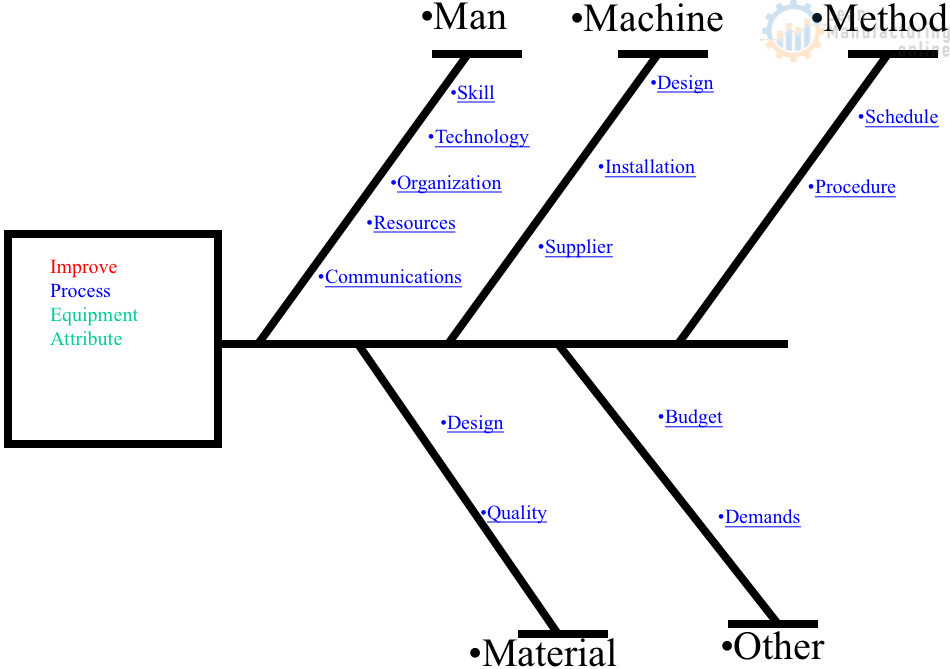
4M Analysis Process
The purpose of this procedure is to define the steps to do a 4M …