Most organizations say they want better quality, lower cost, and faster delivery. The problem begins when those goals are treated like competing priorities. One team pushes speed. Another protects cost. A third works hard to reduce defects. Everyone stays busy, but the business still struggles to improve in a meaningful, lasting way.
A better approach begins with a different question: What business are we really in? That question may sound simple, but it changes how leaders think about quality, improvement, customer value, and the future of the organization. When the answer is too narrow, companies often become very good at improving something the market no longer needs.
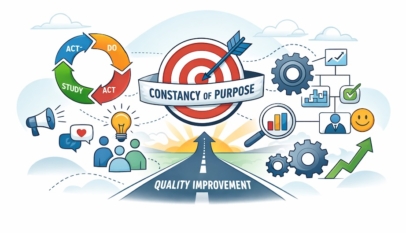
This is where constancy of purpose becomes essential. It is not just a statement on a wall or a polished sentence in a strategic plan. It is a long-term commitment to improving product and service in a way that helps the organization stay competitive, remain in business, and provide jobs. It gives people direction. It shapes decisions. It helps leaders stop reacting to short-term pressure and start building a system that can improve over time.
Constancy of Purpose Is a Leadership Discipline
Many companies talk about vision, mission, and values. Fewer turn those ideas into a practical operating mindset. Constancy of purpose is what connects long-term intent with daily action. It asks leaders to define what matters most, communicate it clearly, and keep decisions aligned with that purpose over time.
Without that consistency, organizations become distracted by targets, firefighting, and short-term wins. Teams work hard, but they often work in different directions. One department optimizes cost. Another focuses on output. Another tries to protect customer satisfaction. The result is misalignment, confusion, and improvement efforts that fade as quickly as they begin.
When purpose is clear, decision-making becomes stronger. People can evaluate priorities through a long-term lens. They can ask whether a choice improves the system, strengthens customer value, and supports the future of the organization. That is a completely different way of leading than simply reacting to the latest number on a dashboard.
A useful way to think about this is through the example of carburetor manufacturers. For years, they improved their product, lowered cost, and served customers well. Yet many disappeared because they defined their business too narrowly. They thought they were in the carburetor business. The market moved toward fuel injection. Their product improved, but their definition of purpose did not. Improvement alone is not enough if the organization is improving the wrong thing.
Quality Is Made at the Top
One of the most important ideas in quality management is that quality is not created only on the front line. It is shaped by leadership. That does not reduce the value of operators, technicians, engineers, or service teams. It simply recognizes that the system they work in is designed, influenced, and managed from the top.
When leaders create conflicting goals, weak priorities, poor communication, and short-term incentives, the process reflects that confusion. People then spend their time compensating for system problems rather than improving performance. In those situations, defects, delays, rework, and frustration are often symptoms of leadership decisions, not just operational mistakes.
This is why quality should never be reduced to inspection, tolerance checks, or customer complaint handling. Inspection can detect problems, but it does not build quality into the work. Real quality comes from designing and managing a system that consistently produces what customers value.
That shift matters because many organizations still think of quality, cost, and delivery as a balancing act. They assume improving one must hurt the others. In reality, better quality often improves productivity, lowers total cost, and strengthens delivery performance. When the system works better, fewer resources are wasted on correction, sorting, rework, customer complaints, and internal disruption.
Why Meeting Specifications Is Not Enough
Many organizations aim to meet requirements and assume that is the finish line. But customers do not judge quality by internal compliance alone. They judge it by experience, consistency, ease, reliability, and confidence. A product or service can technically meet specification and still disappoint the customer.
That is why quality should be viewed from both sides: what the customer wants and what the process is actually delivering. The gap between those two realities is where improvement work lives. If the customer expects speed, consistency, trust, and reliability, but the process delivers variation, confusion, and inconsistency, the organization has work to do even if internal reports look acceptable.
Leaders sometimes miss this because they focus on internal convenience instead of external value. They measure what is easy to count rather than what matters most to the customer. A stronger approach is to ask what the customer values, how the process performs today, and where the gap is greatest. That creates a more honest foundation for improvement.
Continual Improvement Is Not a One-Time Project
Improvement is often treated like a special initiative. A team launches a project, runs a workshop, updates a few metrics, and then moves on. That may create activity, but it rarely creates a culture of improvement. Continual improvement is different. It is ongoing, deliberate, and built into how the organization thinks and operates.
This is where the distinction between occasional problem-solving and continual improvement becomes important. Continual improvement means the organization keeps learning, keeps adjusting, and keeps refining the system. It does not assume that a past success guarantees future relevance. It does not settle once a process becomes stable. It recognizes that customer needs, markets, technologies, and competitive conditions continue to evolve.
Organizations that improve well develop habits of reflection. They ask what is working, what is not, what has changed, what the customer now needs, and what should be improved next. This mindset keeps improvement connected to real business purpose instead of turning it into a side activity.
The PDSA Cycle Turns Ideas Into Learning
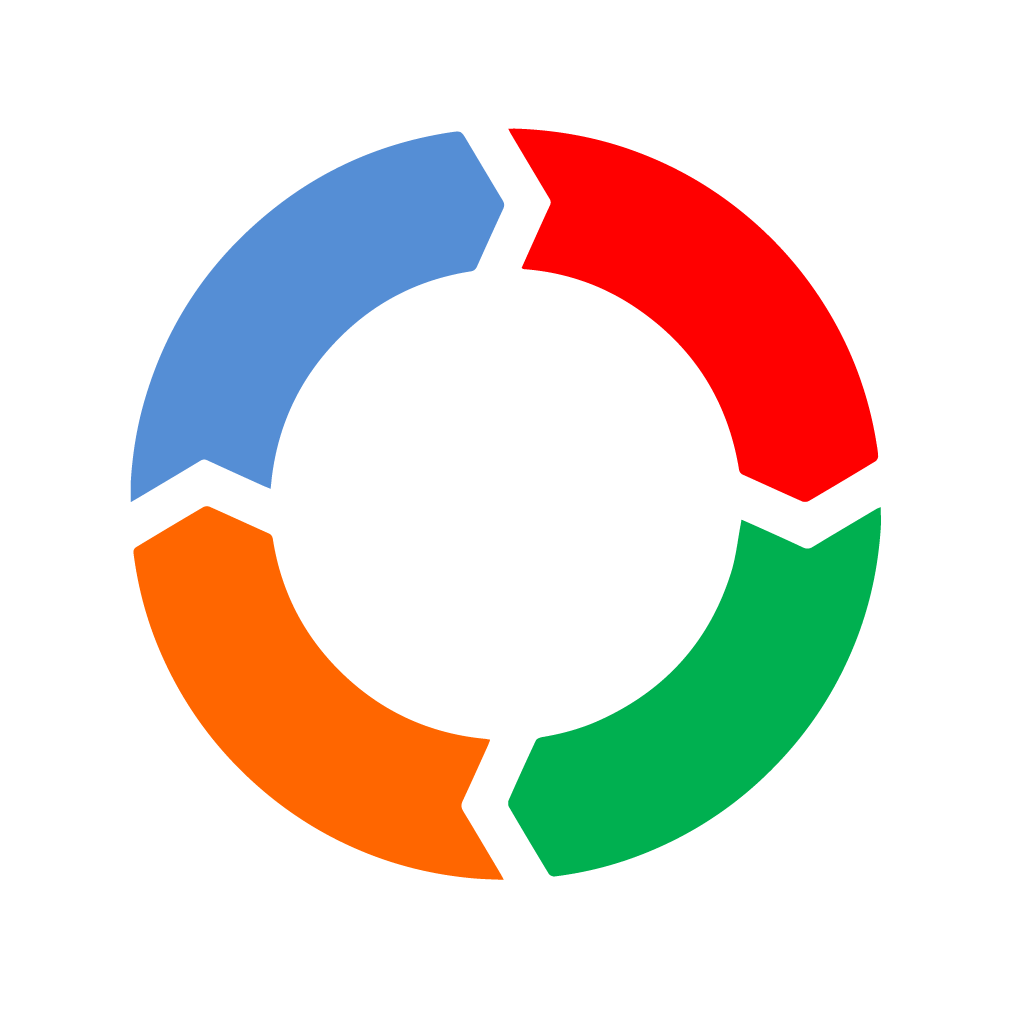
A practical way to support continual improvement is through the Plan-Do-Study-Act cycle. It sounds simple, but it introduces something many organizations overlook: disciplined learning.
In the planning stage, the team defines the problem, the idea for improvement, the expected result, and the method for testing it. This step is often rushed, which leads to weak experiments and unclear conclusions. Strong planning is the foundation of good improvement work.
In the doing stage, the team runs the test, usually on a small scale. This is not about full deployment. It is about learning safely, practically, and with enough focus to observe what actually happens.
In the study stage, the team compares the results with expectations. Did the change improve performance? Did it create new issues? What surprised the team? What did the data and direct observation reveal?
In the act stage, the organization decides what to do next. It may adopt the change, adjust it, abandon it, or run the cycle again with a stronger idea. That final step matters because improvement is not about having ideas. It is about learning from evidence and acting with discipline.
Used properly, PDSA helps organizations avoid jumping from one solution to another. It creates a more thoughtful rhythm of experimentation, learning, and refinement. Over time, that rhythm strengthens both capability and confidence.
Variation Is the Hidden Cost of Poor Quality
Variation causes trouble even when average performance looks acceptable. A process may appear to meet requirement on paper, yet still create frustration because the output is inconsistent. One order arrives on time, another is late. One product performs well, another disappoints. One customer gets excellent service, another has to chase answers.
This inconsistency erodes trust. It also increases internal cost. Teams spend time checking, correcting, reworking, expediting, explaining, and apologizing. Those efforts absorb time and energy that could have gone into prevention and improvement.
Reducing variation is one of the clearest ways to improve both quality and productivity. It makes performance more predictable. It reduces surprises. It helps people plan with more confidence. Most importantly, it improves the customer experience in a way that specification compliance alone cannot guarantee.
To reduce variation, organizations have to look upstream. They must examine methods, materials, equipment, environment, communication, training, and management decisions. Variation is not just something to detect at the end. It is something to understand and reduce at the source.
Driving Out Fear Improves Performance
Fear is often treated like a cultural issue, but it is also an operational issue. When fear exists, people hide mistakes, avoid difficult conversations, protect themselves, and stay silent about system problems. This slows learning and weakens improvement.
Driving out fear does not mean lowering standards or avoiding accountability. It means creating conditions where people can speak honestly about what is not working, ask questions without punishment, and contribute ideas without risking ridicule or blame. In that kind of environment, problems surface earlier and improvement becomes more realistic.
A useful test for any organization is this: What feels difficult to discuss here? If people struggle to raise concerns about priorities, workload, defects, customer pain points, or leadership decisions, fear is already shaping the system. That fear may not always be obvious, but its impact shows up in hesitation, silence, and wasted opportunity.
Organizations that perform well over time often create more than compliance. They create trust. People feel respected. They understand the purpose of the work. They know their input matters. They can contribute to improvement rather than merely surviving the system around them.
Questions Every Leader Should Ask
Improvement starts to become real when leaders ask better questions and keep asking them consistently. These questions help translate quality principles into daily management:
- What business are we really in?
- What future are we preparing for?
- What does the customer value most?
- What is our process actually delivering today?
- Where is variation hurting performance?
- What are people afraid to say?
- Which goals are competing instead of aligning?
- What should we improve next, and how will we learn from it?
These questions are useful because they move the conversation beyond slogans. They help leaders connect strategy, process, people, and customer value. They also help prevent the common mistake of trying to improve isolated outputs without improving the system that produces them.
Final Thought
Quality does not begin with inspection. Improvement does not begin with tools. Both begin with leadership thinking. When leaders create constancy of purpose, understand the organization as a system, reduce variation, support disciplined learning, and drive out fear, quality stops being a department and becomes a way of operating.
That is when better quality starts lowering total cost instead of appearing to compete with it. That is when people stop chasing targets and start improving the whole. And that is when organizations become stronger, more resilient, and better prepared for the future.

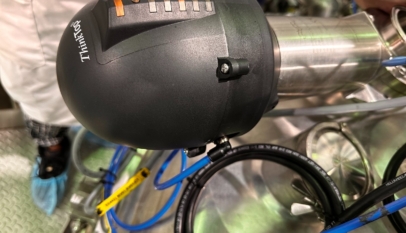


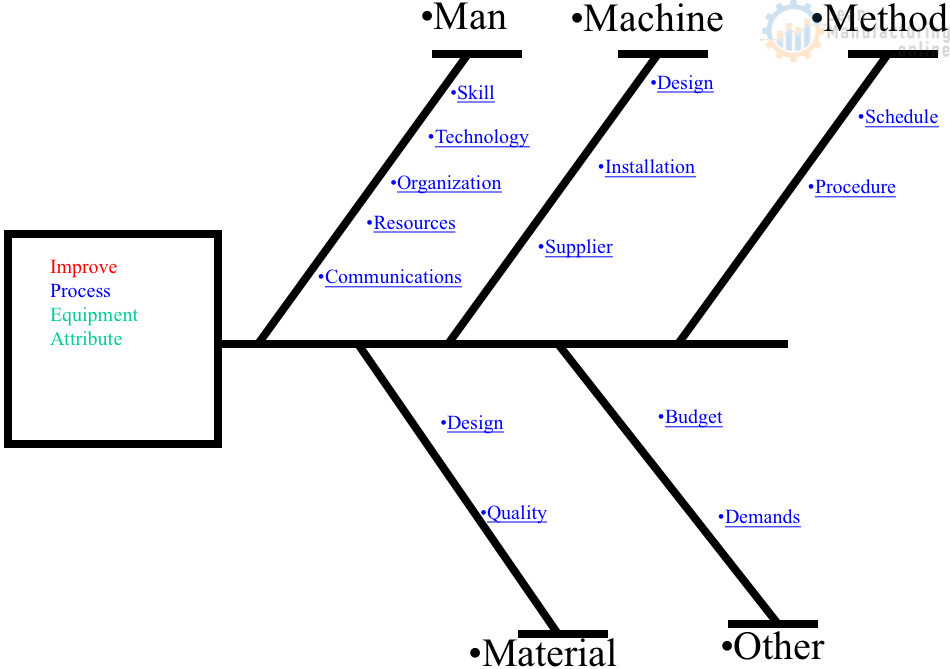
4M Analysis Process
The purpose of this procedure is to define the steps to do a 4M …