Blog
Using the Kepner-Tregoe Methodology for Effective Problem-Solving
The Kepner-Tregoe methodology is a problem-solving and decision-making framework that has helped individuals and organizations around the world to systematically analyze problems and manage risks. At the core of this methodology is the Problem Analysis step, which involves using the Cause and Effect Analysis matrix to identify the root cause…
Read More »A Comprehensive Guide to Types of Audits Used in Organizations
Auditing is a crucial process for organizations to ensure compliance, improve efficiency, and enhance product quality. There are different types of audits that organizations use to evaluate their processes, systems, and products. Some of the most common types of audits include process audits, system audits, product audits, dock audits, layout…
Read More »How Real-Time Condition Monitoring Can Predict and Prevent Equipment Failures
Real-time condition monitoring is a powerful tool that can help maintenance and reliability professionals predict failures and mitigate production downtime seamlessly. By identifying critical equipment, defining key performance indicators (KPIs), installing sensors, using predictive analytics, implementing automated alerts, and taking corrective action when necessary, professionals can reduce downtime, increase productivity,…
Read More »Streamlining Problem-Solving with the PDCA-RACI Framework
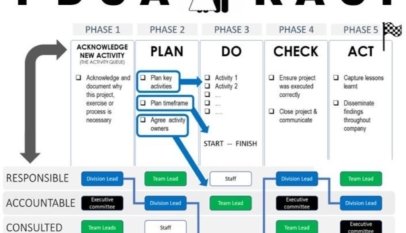
Combining the PDCA and RACI methodologies can create a symbiotic problem-solving methodology that emphasizes clear communication, defined roles and responsibilities, and continuous improvement. In the planning stage, the RACI framework is used to define the roles and responsibilities of team members involved in the problem-solving process. In the doing stage,…
Read More »


4M Analysis Process: Root Cause Guide for Manufacturing
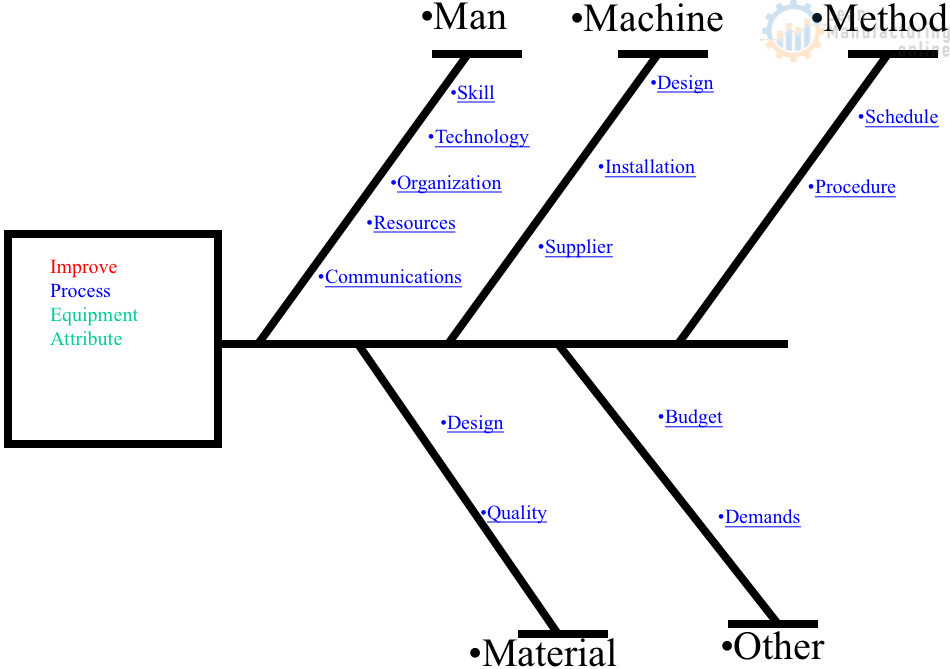
Learn how to use 4M Analysis to find manufacturing root causes across People, Machine, Method, and Material with diagrams, examples, and checklist.