A Lean Six Sigma Green Belt exam usually checks whether you understand how to improve a process using Lean thinking, Six Sigma logic, and the DMAIC roadmap. The exact exam format depends on the provider, so avoid memorizing only one vendor’s sample questions. Focus on the stable knowledge areas that Green Belts use in real projects.
A strong Green Belt can define a problem clearly, measure current performance, analyze causes, improve the process, and control the result. That is why the best exam preparation is not only memorizing terms. It is learning how the tools fit together in a practical improvement story.

Take the Lean Six Sigma Green Belt exam
You can access the LeanFast Green Belt exam here: Lean Six Sigma Green Belt Exam. After successful completion, the certificate can be accessed through your profile.
What should a Green Belt know?
A Green Belt should understand the language of improvement and know when to use the right tool. The goal is not to become a statistician overnight. The goal is to support improvement projects with facts, process thinking, team facilitation, basic data analysis, and disciplined follow-up.
| Knowledge area | What to study | Why it matters |
|---|---|---|
| Lean fundamentals | Waste, flow, value, standard work, visual management, Kaizen. | Helps identify process losses and practical improvement opportunities. |
| DMAIC | Define, Measure, Analyze, Improve, Control. | Gives structure to Green Belt projects. |
| Measurement | MSA, accuracy, precision, repeatability, reproducibility. | Prevents bad decisions from unreliable data. |
| Variation | SPC, control charts, common cause, special cause. | Shows whether the process is stable or needs action. |
| Capability | Cp, Cpk, Pp, Ppk, specification limits. | Shows whether a process can meet requirements. |
| Problem solving | 5 Why, fishbone, Pareto, 4M, RCA. | Connects symptoms to verified causes and countermeasures. |
DMAIC is the core of Green Belt preparation
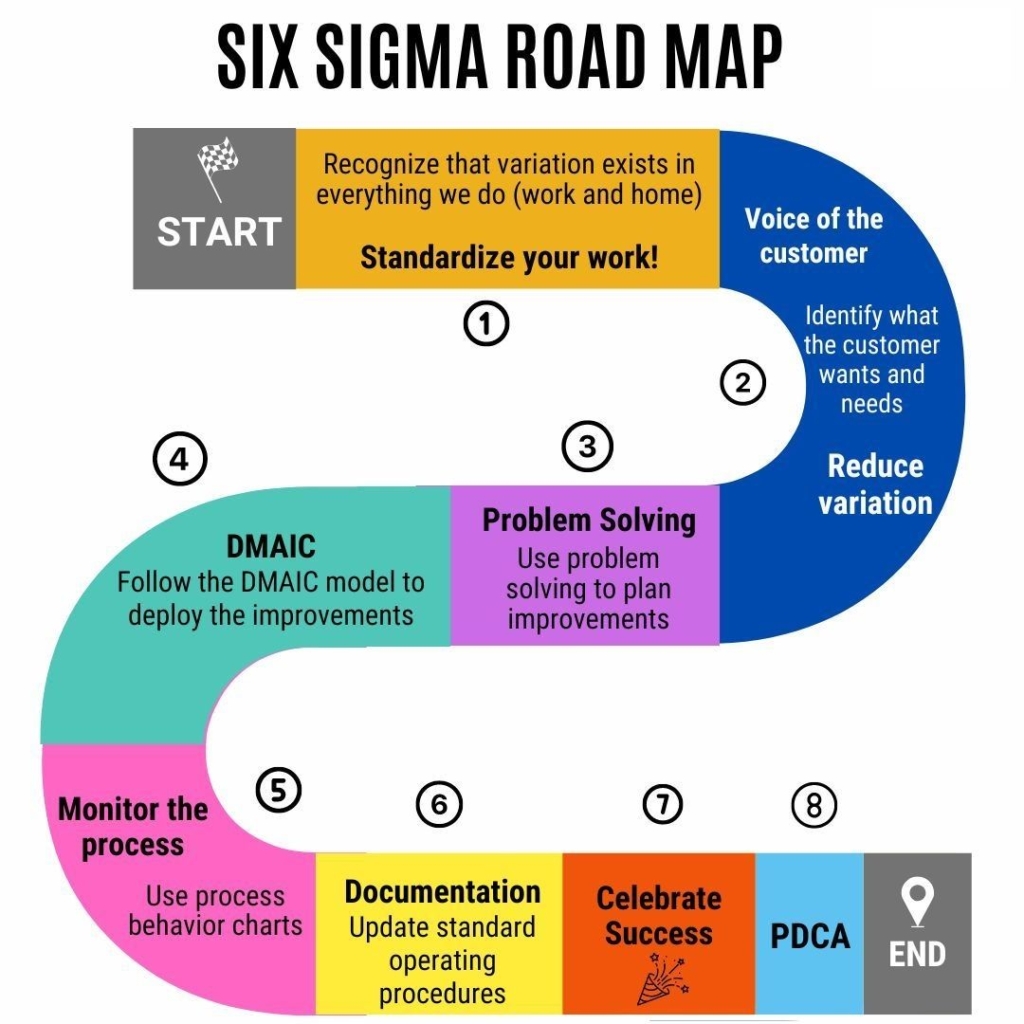
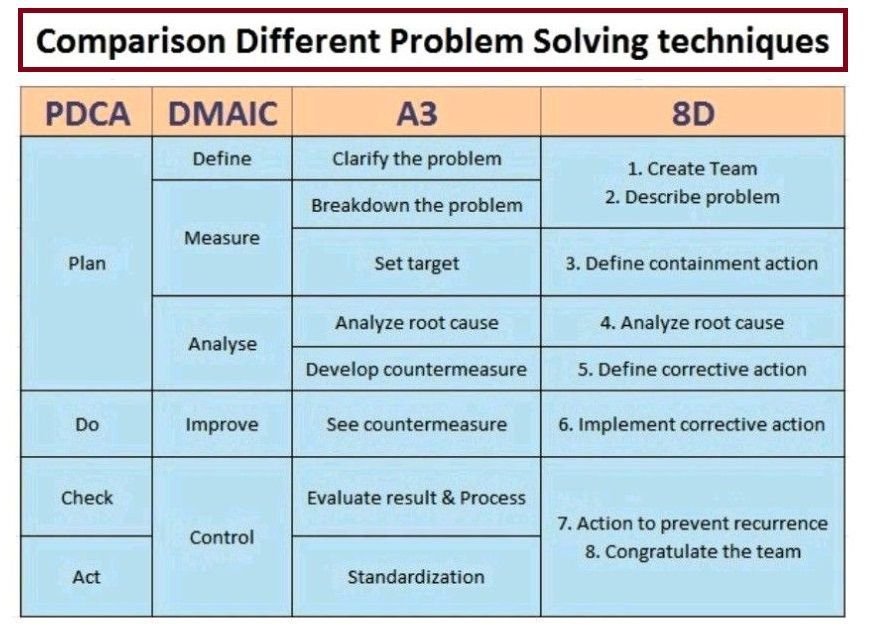
The Six Sigma DMAIC roadmap is the center of most Green Belt study. Define clarifies the problem. Measure builds the baseline. Analyze verifies causes. Improve tests and implements countermeasures. Control sustains the result.
When reviewing exam questions, ask: which DMAIC phase is this question really about? Many questions become easier when you first identify the phase and then choose the tool that supports that phase.
Measure phase topics to review
Green Belt candidates should understand why measurement quality matters. If the data is wrong, the analysis will be wrong. Study measurement systems evaluation, basic data collection planning, operational definitions, sampling logic, and how to separate measurement noise from process variation.
Do not only memorize formulas. Practice explaining why repeatability, reproducibility, bias, stability, and calibration affect improvement decisions.

SPC and process capability
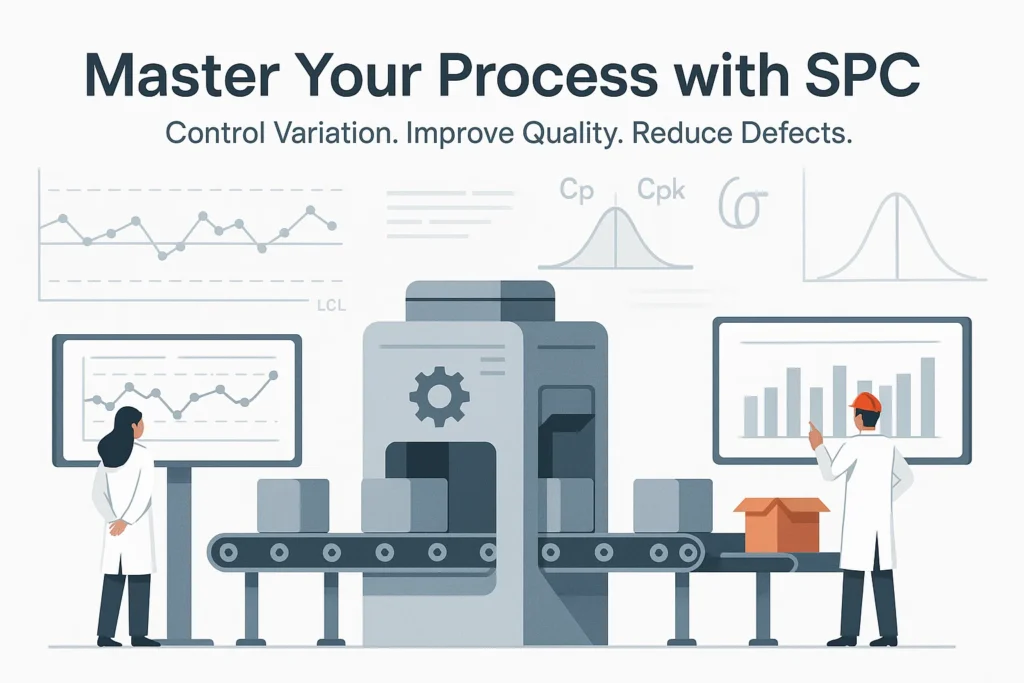
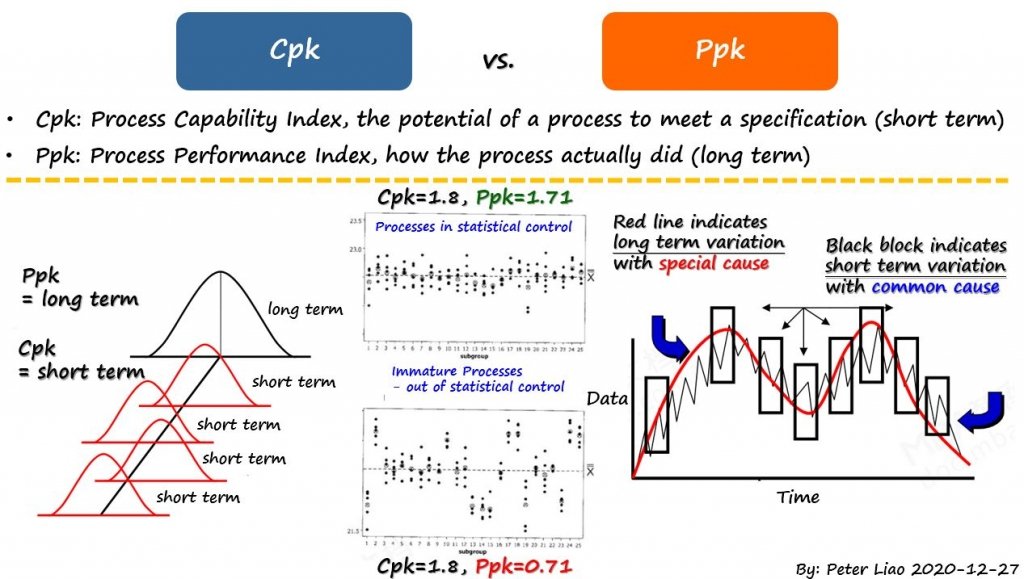
SPC helps Green Belts understand whether a process is stable. Capability helps show whether a stable process can meet specifications. These are related but different questions. A process can be stable and still not capable, or temporarily capable but not stable.
Review SPC and process capability and Cpk vs Ppk before the exam. Pay attention to the difference between control limits and specification limits.
RCA, 4M, and Pareto thinking
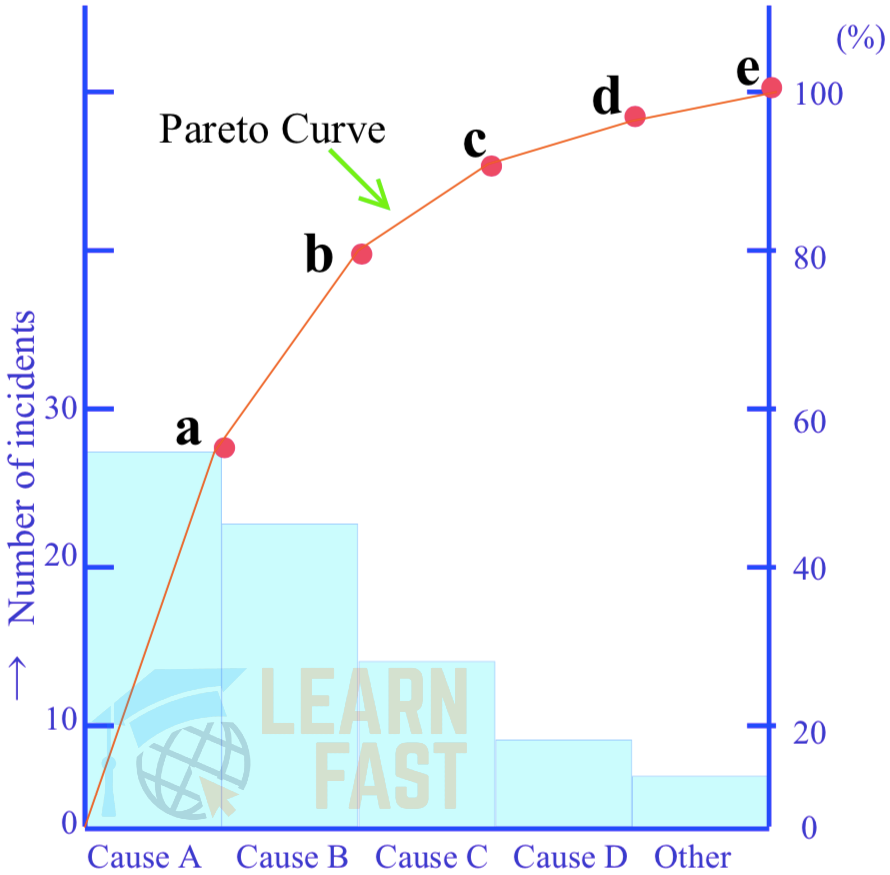
Green Belts often help teams find causes of defects, downtime, customer complaints, audit findings, or supplier quality issues. Study quality root cause analysis, 4M analysis examples, 5 Why, fishbone diagrams, Pareto charts, and containment versus permanent corrective action.
Pareto thinking is especially important because Green Belts need to focus effort on the vital few problems instead of chasing every small issue at the same time.
How Green Belt knowledge connects to quality work
Lean Six Sigma knowledge becomes more useful when it is connected to daily quality systems. Inspection results, supplier issues, customer complaints, audit nonconformances, and cost-of-quality problems can all become improvement opportunities.
| Real signal | Green Belt response | Useful link |
|---|---|---|
| Repeated inspection finding | Define the defect, measure frequency, and verify cause. | Quality inspections and audits |
| Supplier nonconformance | Contain risk and support supplier RCA or SCAR. | Supplier quality management |
| High cost of poor quality | Prioritize prevention over repeated correction. | 1-10-100 rule |
| Unclear business impact | Connect project results to operational KPIs. | Manufacturing KPIs |
| Need for local improvement | Use Kaizen and standard work to make improvements practical. | Kaizen process |
Simple Green Belt exam preparation plan
| Step | Study action |
|---|---|
| 1. Review DMAIC | Know the purpose, outputs, and common tools for each phase. |
| 2. Practice problem statements | Separate symptoms, causes, solutions, and business impact. |
| 3. Study measurement basics | Understand MSA, operational definitions, and data collection plans. |
| 4. Review variation | Know common cause, special cause, SPC, and capability language. |
| 5. Practice RCA tools | Use 5 Why, Pareto, fishbone, 4M, and evidence checks. |
| 6. Think like a project leader | Focus on control, standardization, follow-up, and sustained results. |
Common mistakes when studying
- Memorizing acronyms without understanding when to use the tool.
- Jumping to Improve before Define and Measure are clear.
- Ignoring MSA and assuming all data is trustworthy.
- Confusing control limits with specification limits.
- Using RCA tools to confirm opinions instead of verify causes.
- Forgetting that Control is about sustaining gains, not only closing the project.
Study the tools like a practitioner
A Lean Six Sigma Green Belt exam should prepare you to think like an improvement practitioner. The best preparation is to understand DMAIC, connect tools to real process problems, and practice explaining why each tool matters.
Start with the exam link above, then review the connected topics: DMAIC, MSA, SPC, process capability, RCA, supplier quality, quality inspections, KPIs, and continuous improvement.
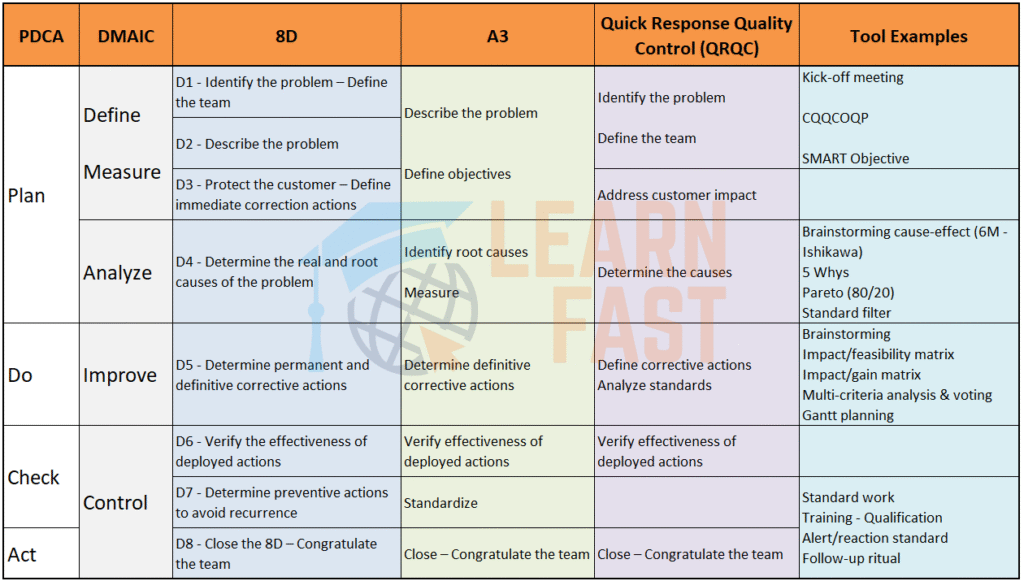
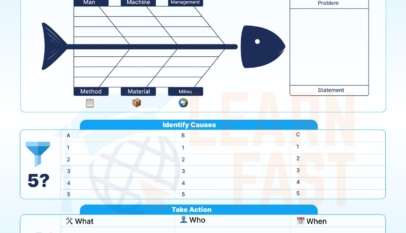

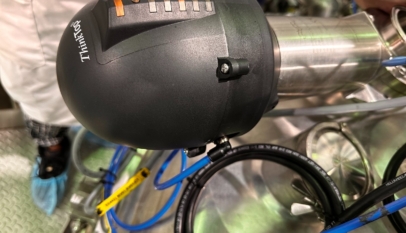
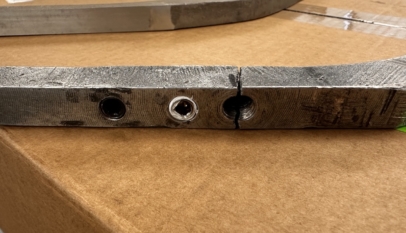



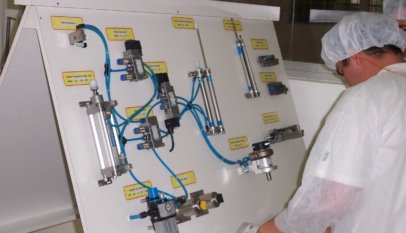

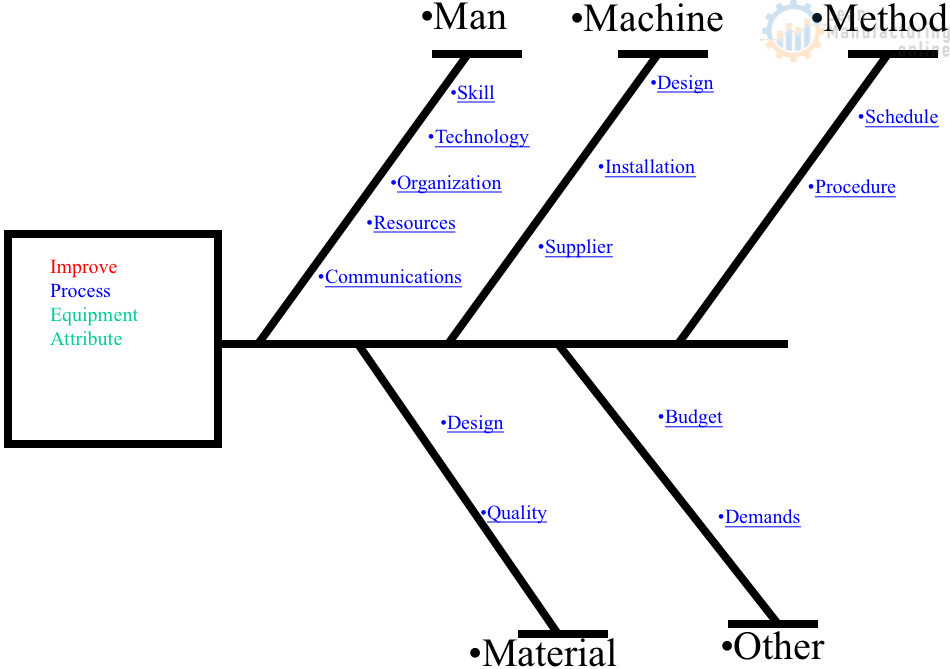
4M Analysis Process: Root Cause Guide for Manufacturing
Learn how to use 4M Analysis to find manufacturing root causes across People, Machine, Method, and Material with diagrams, examples, and checklist.