Lean Manufacturing

  • Lean Manufacturing
  • Home
  • Process Excellence
    • Lean Six Sigma
    • TPM
      • TPM Introduction
      • Change Management
      • Focused Improvement
      • Autonomous Maintenance
      • Education and Training
      • Quality
      • Safety, Health and Environment
      • Planned Maintenance
      • Early Equipment Management
    • TPS
    • Tools
      • Last Minute Travel Deals
      • 5 Why Analysis
      • Cap-Do
      • Kaizen
      • FMEA
      • One Point Lessons Directory
    • Templates
      • Machine Ledger
      • 5S Audit Checklist and Report
      • Cap-Do (PDCA)
      • One Point Lesson
      • FMEA template
      • M-P Sheet and EEM Template Guide
      • Why-Why Analysis
  • Free Courses
    • Lean Six Sigma White Belt Course
    • Lean Six Sigma Yellow Belt Course
    • Lean Six Sigma Green Belt Exam
    • Lean Six Sigma Black Belt Exam
    • TPM Instructor Course
    • Agile Retrospective: Continuous Improvement and Kaizen with Scrum
    • Autonomous Maintenance Facilitator
    • Planned Maintenance Facilitator
  • Submit a Post
  • Contact
Home TPM Manufacturing Support (page 2)

Manufacturing Support

  • Chapter 10. TPM in Administrative and Support Departments. Part 1

    sensei October 14, 2020
    0 10,174
    Manufacturing Support TPM

    1. The Need for TPM in Administrative and Support Departments 1.1 Why TPM is Needed – the Background Modern advances in computer and communications technology have created a world in which all kinds of information can be exchanged in real-time all over the globe. This has given added impetus to…

    Read More »
  • Loss Trees and Loss Deployment

    sensei July 8, 2020
    0 26,392
    Blog Lean Lean Six Sigma Manufacturing Support TPM

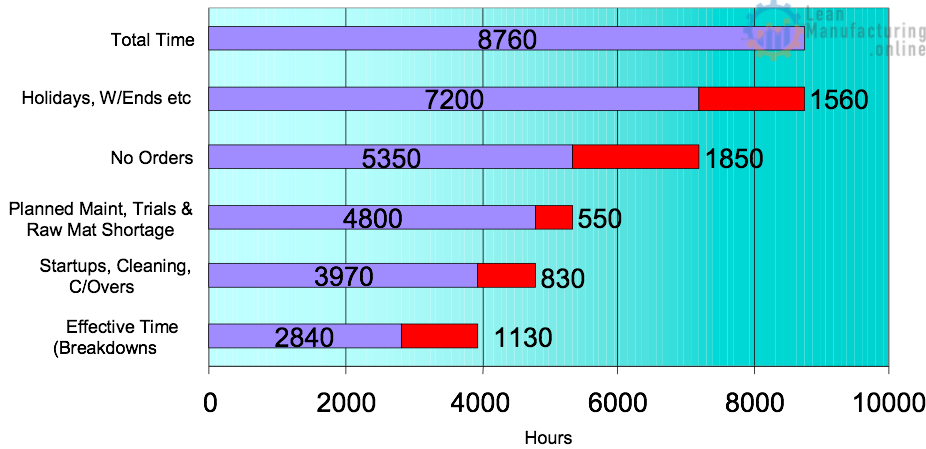
    What are Loss Trees? In general, Loss Trees are simply a listing of the losses (inefficiencies) which may exist in a factory production process. Loss Deployment is a cascade process that looks initially at the overall factory losses than increasingly at a more detailed level down to a packing line…

    Read More »
  • Supply Chain Management (SCM) and its relationship to TPM. Part 2

    sensei April 30, 2020
    7 5,513
    Manufacturing Support Supply Chain TPM

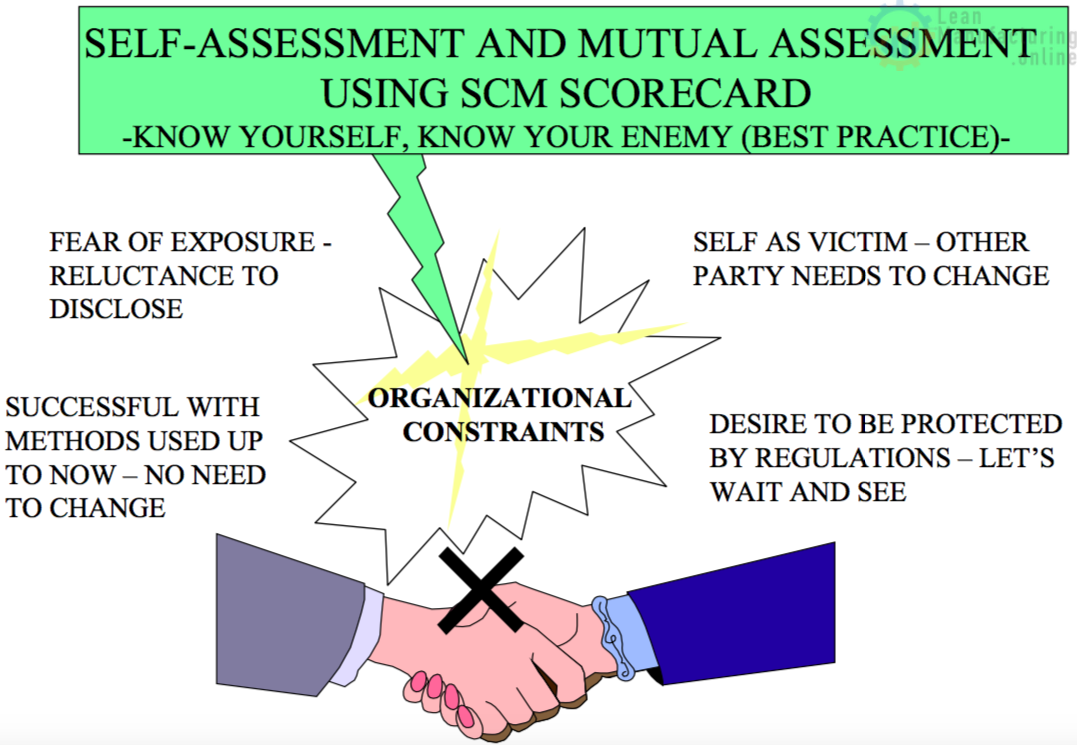
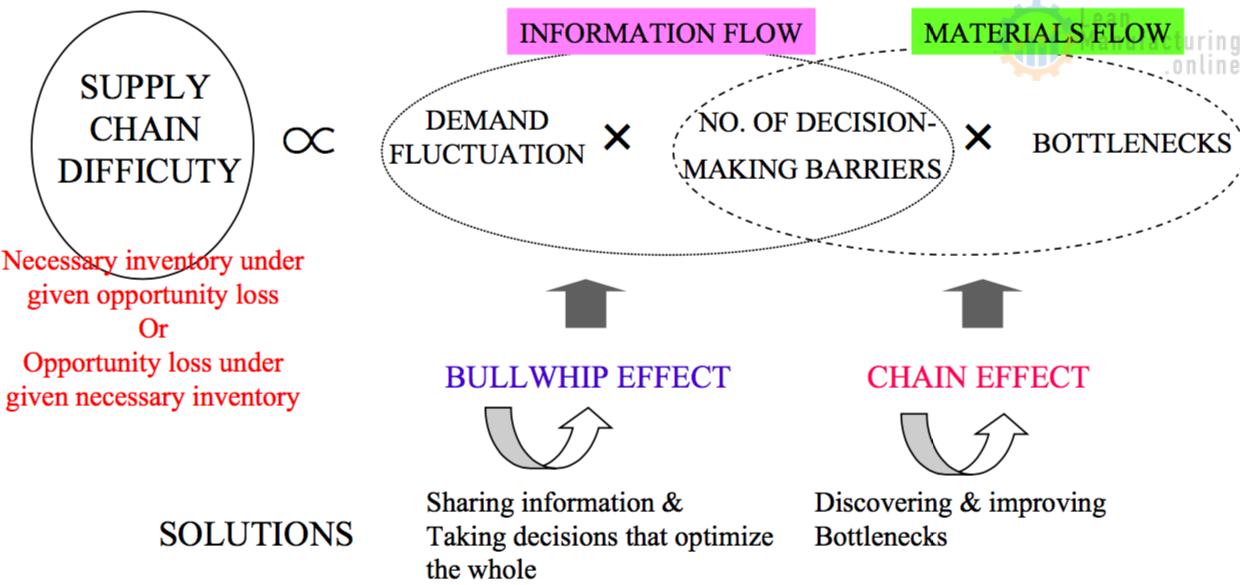
    SECTION 3 SCM AS TPM LEVELS 2 AND 3 LEVEL 2 AND 3 GENRES AS SEEN IN THE TPM AWARDS THE STRENGTHS AND LIMITATIONS OF TPM AN EXAMPLE OF THE INTRODUCTION OF SCM AS A NATURAL EXTENSION OF TPM (FROM SOURCING UNIT THROUGH DISTRIBUTION TO RETAIL OUTLET) THE DIRECTION OF…

    Read More »
  • Supply Chain Management (SCM) and its relationship to TPM. Part 1

    sensei April 30, 2020
    0 8,209
    Manufacturing Support Supply Chain TPM

    SECTION 1 WHY DO WE NEED SCM? SCM is now the accepted and ordinary business model, but … Making more the supply chain visible enables naturally us to reduce both lead times and costs SCM – THE ACCEPTED BUSINESS MODEL Since the late 70s, we have been in an era…

    Read More »
Previous page Next page

Most Popular

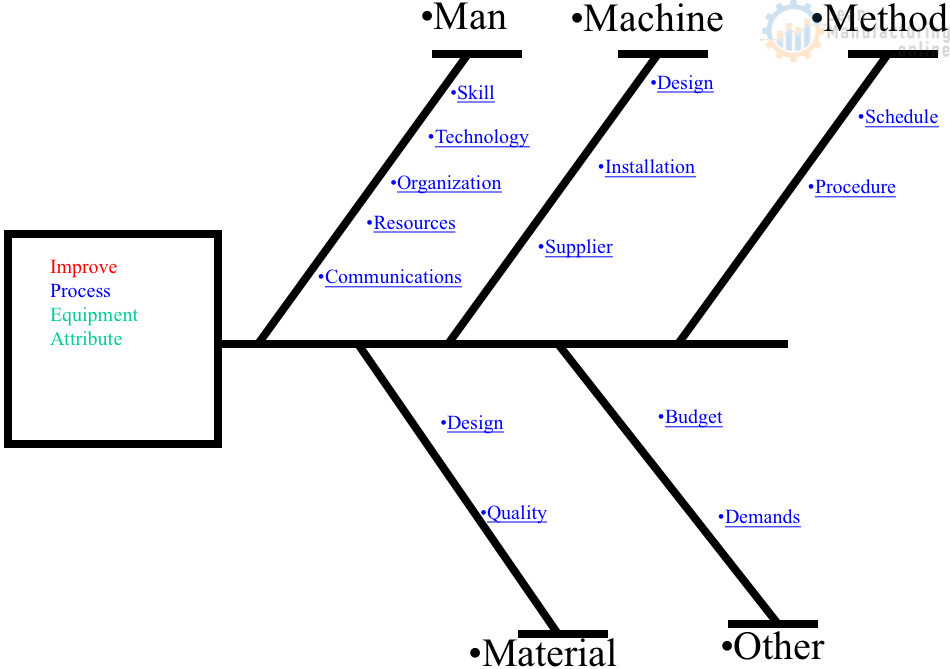
4M Analysis fishbone diagram showing People, Machine, Method, and Material root cause categories

4M Analysis Process: Root Cause Guide for Manufacturing

sensei
August 29, 2018

Learn how to use 4M Analysis to find manufacturing root causes across People, Machine, Method, and Material with diagrams, examples, and checklist.
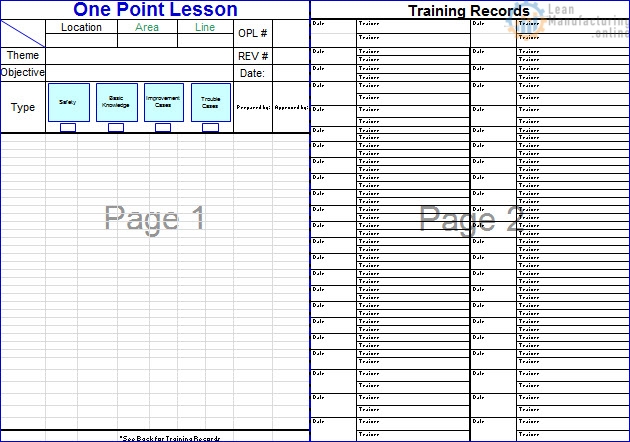
OPL – One Point Lesson Template – Free Download

sensei
November 5, 2018

PDCA – A Process Approach

sensei
January 8, 2023
5S checklist and audit visual standard for workplace organization

5S Audit Checklist and Report

sensei
April 18, 2022

Why-Why Analysis

sensei
June 10, 2022

Recent

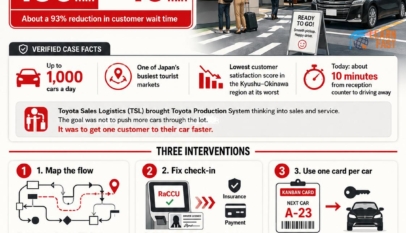
Toyota’s Rental Car Kaizen Success

PDCA and 5 Why workflow for Kaizen problem solving

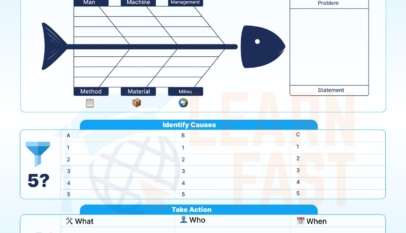
4M Analysis Examples for Manufacturing Problems

Free Online Certificate Courses Worth Your Time This Year

Industrial Internet of Things in Manufacturing: Uses, Architecture, and Benefits

Blog Search

Lean Manufacturing is a methodology for producing goods that emphasizes minimizing waste and maximizing efficiency. It is a manufacturing philosophy that aims to produce goods with the least amount of resources, time and effort. Lean manufacturing aims to eliminate waste and improve the flow of materials and information throughout the production process. This approach is often used in manufacturing environments where efficiency and cost-effectiveness are critical, such as in the automotive and electronics industries.
Copyright © 2026 leanmanufacturing.online
  • Terms of Use
  • Privacy Policy
  • About Our Ads

Popular Posts

4M Analysis fishbone diagram showing People, Machine, Method, and Material root cause categories

4M Analysis Process: Root Cause Guide for Manufacturing

sensei
August 29, 2018

Learn how to use 4M Analysis to find manufacturing root causes across People, Machine, Method, and Material with diagrams, examples, and checklist.

OPL – One Point Lesson Template – Free Download

sensei
November 5, 2018

PDCA – A Process Approach

sensei
January 8, 2023
5S checklist and audit visual standard for workplace organization

5S Audit Checklist and Report

sensei
April 18, 2022

Most Popular Tools

PDCA and 5 Why workflow for Kaizen problem solving

4M Analysis Examples for Manufacturing Problems

Toyota Production System with kaizen standardization jidoka and just in time

Kaizen Mindsets: 24 Principles for Lasting Change

Innovation vs. Kaizen Explained

How Kaizen and PMP Work Together