Visual management helps remove the gap between what should happen and what is actually happening. When a process is well designed visually, people can see the standard, see the current condition, see abnormalities, and know what action is required without waiting for a meeting, report, or supervisor instruction.
In manufacturing, visual controls belong at the point of use: on equipment, near material locations, on activity boards, beside cleaning points, at tool boards, and in team communication areas. The goal is not decoration. The goal is faster understanding and faster action.
What is visual management?
Visual management is the practice of making important process information visible where work happens. It can show what is normal, what is abnormal, what must be done next, who owns the action, and whether the process is performing as expected.
Good visual management answers simple questions: What should happen? What is happening now? Is there a gap? Who is responding? What is the next action? This is why it connects directly with activity boards and visual management principles.
| Visual control type | What it makes visible | Example |
|---|---|---|
| Standard visual | The expected condition. | 5S photo standard, lubrication point, cleaning checklist. |
| Status visual | Current condition or progress. | Production board, PM completion board, open action tracker. |
| Abnormality visual | Something is wrong or outside standard. | F-tag, red mark, andon, defect tag, empty location. |
| Location visual | Where something belongs. | Shadow board, floor mark, label, min/max card. |
| Direction visual | How work should flow. | Rotation arrow, FIFO lane, material-flow arrow. |
Visual controls on equipment
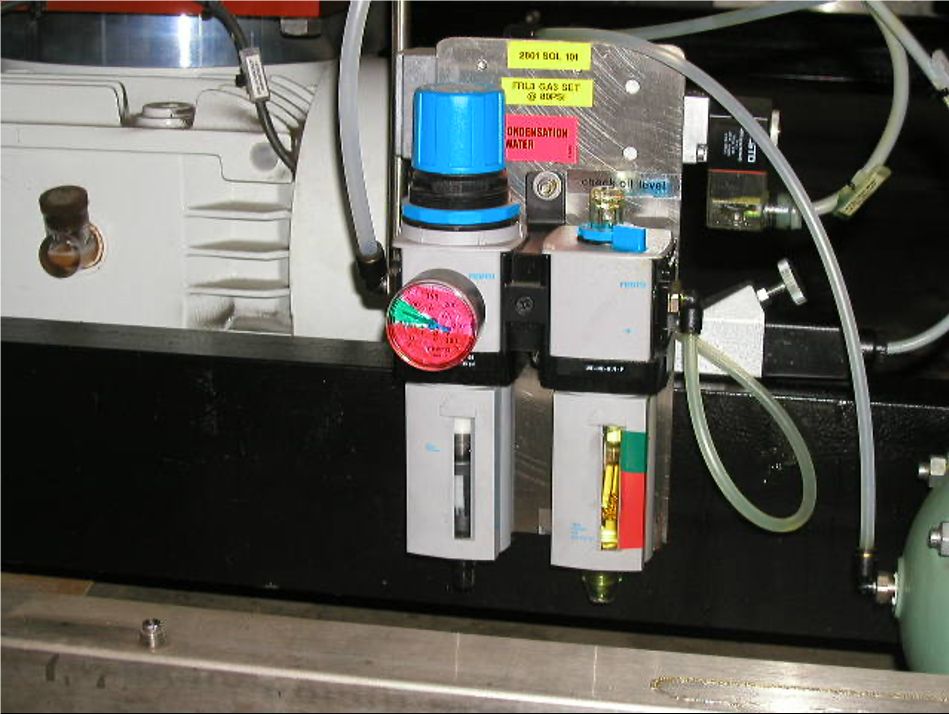
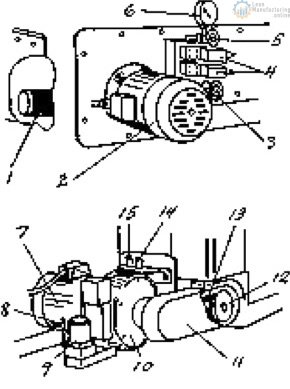
Visual controls placed directly on equipment help operators and technicians understand operating conditions quickly. Examples include equipment names and numbers, rotation-direction arrows, match marks on nuts and bolts, oil-level indicators, lubrication labels, inspection windows, and standards for chains, belts, couplings, guards, and covers.
These controls improve maintainability because people do not have to rely only on memory. They can compare the current condition with the visual standard and act when something is not normal.
Visual management for team communication
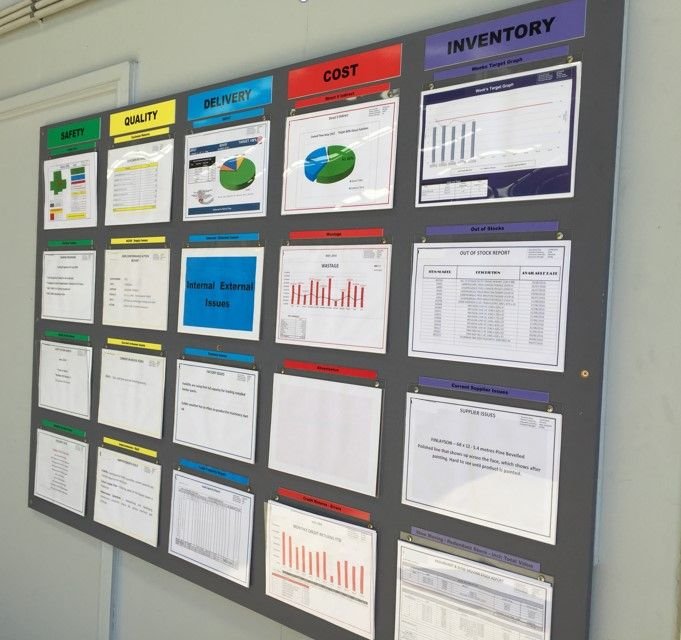
Visual management is also powerful for team communication. A daily board can show safety status, quality issues, production gaps, maintenance actions, improvement ideas, and open problems. The board should help the team decide what needs attention today, not become wallpaper.
A strong board makes priorities clear. It also creates accountability: action, owner, due date, status, and escalation. This connects visual management with manufacturing KPIs and daily leadership routines.
What good visual management looks like
A visual control should be easy to see, easy to understand, located at the point of use, linked to a standard, and connected to an action. If people need a long explanation to understand the visual, the visual is probably too complex.
| Weak visual | Better visual |
|---|---|
| A faded label that says “check oil.” | Oil-level mark with high/low limits and lubricant type. |
| A board full of old charts. | Daily board showing current gap, owner, action, and due date. |
| Tools stored in drawers. | Shadow board showing each tool location and missing item. |
| Cleaning checklist in an office folder. | Point-of-use cleaning standard beside the equipment. |
| Defects discussed verbally. | Visible defect tag, containment status, and problem-solving owner. |
Connect visual management with 5S
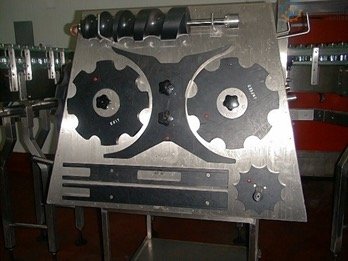
5S and visual management reinforce each other. 5S creates the organized condition. Visual management helps people maintain it. When labels, location marks, photos, audit standards, and shadow boards are located close to the work, abnormalities become visible immediately.
This is the same logic behind 5S standards in the right place at the right time. A standard is most useful when it appears at the moment the person needs it.

Connect visual management with abnormality management
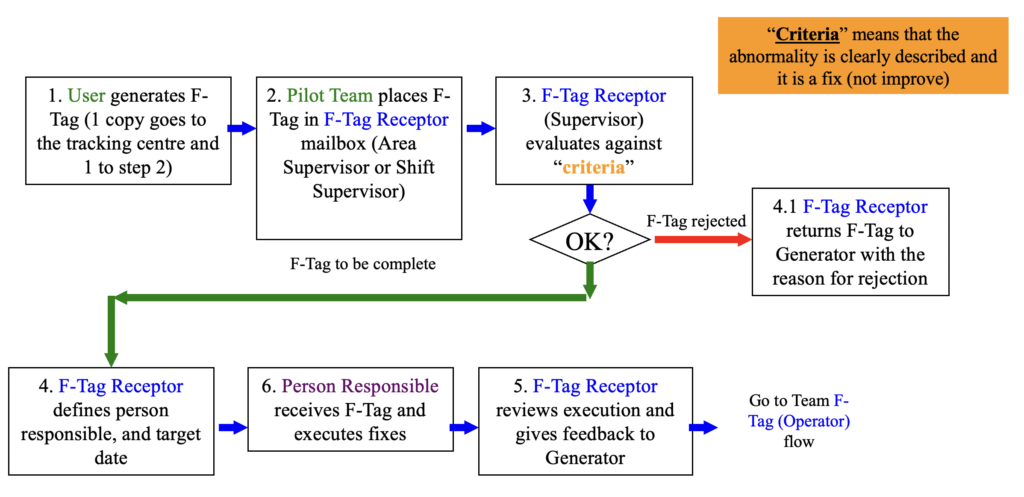
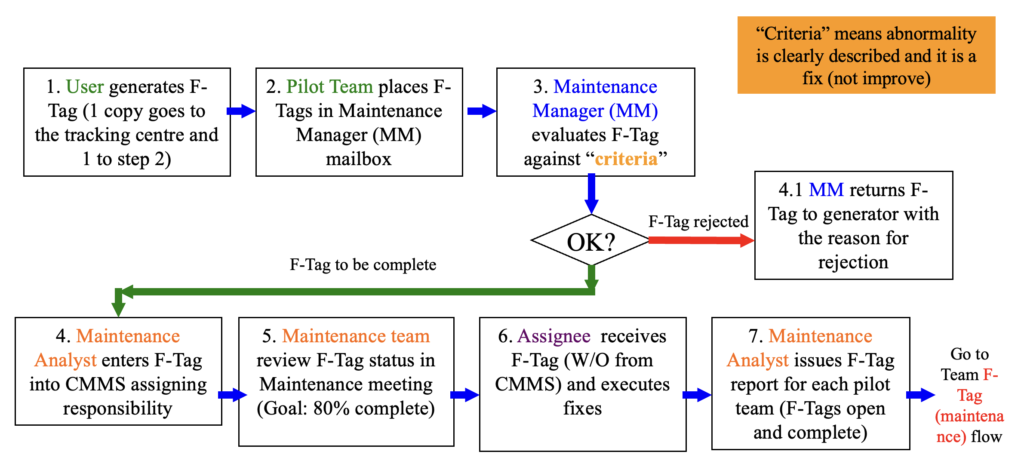
Visual management should make abnormalities impossible to ignore. F-tags, red tags, defect markers, open action boards, and escalation signals help teams see what needs support. The visual is not the improvement by itself; it is the trigger for ownership and follow-up.
For example, an operator may find a leak, loose guard, missing fastener, abnormal noise, or difficult inspection point. A visible tag helps convert the observation into a tracked action. This links visual management with F-tags, safety F-tags, and maintenance support.
How to build a useful visual control
Start with the decision you want to make easier. Do not begin by asking “what sign can we make?” Ask what gap the team must see faster. Then design the visual to reveal that gap and trigger the next action.
| Design question | Why it matters |
|---|---|
| Who needs this information? | Prevents creating visuals for people who do not use them. |
| Where is the decision made? | Places the visual at the point of use. |
| What is normal? | Defines the standard condition. |
| What is abnormal? | Makes the gap obvious. |
| What action follows? | Turns information into response. |
| How will it be maintained? | Prevents outdated boards, labels, and standards. |
Common mistakes
- Creating boards that display old information but do not drive action.
- Using too much text instead of simple visual comparison.
- Putting visual standards away from the point of use.
- Adding labels without defining ownership and response.
- Letting boards become reporting displays instead of daily management tools.
- Failing to remove outdated visuals after layout, product, or standard changes.
Make visual controls drive action
Visual management is effective when it changes behavior. It should help people see the standard, notice the gap, and take the right next step. When visual controls are simple, current, located at the point of use, and connected to action, they support 5S, maintenance, quality, safety, and daily continuous improvement.
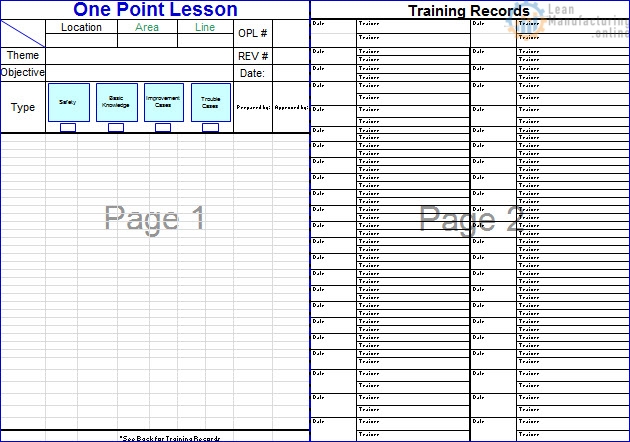
Use one point lessons to teach important visual standards quickly, and use Gemba walks to check whether the visuals actually help people do the work.





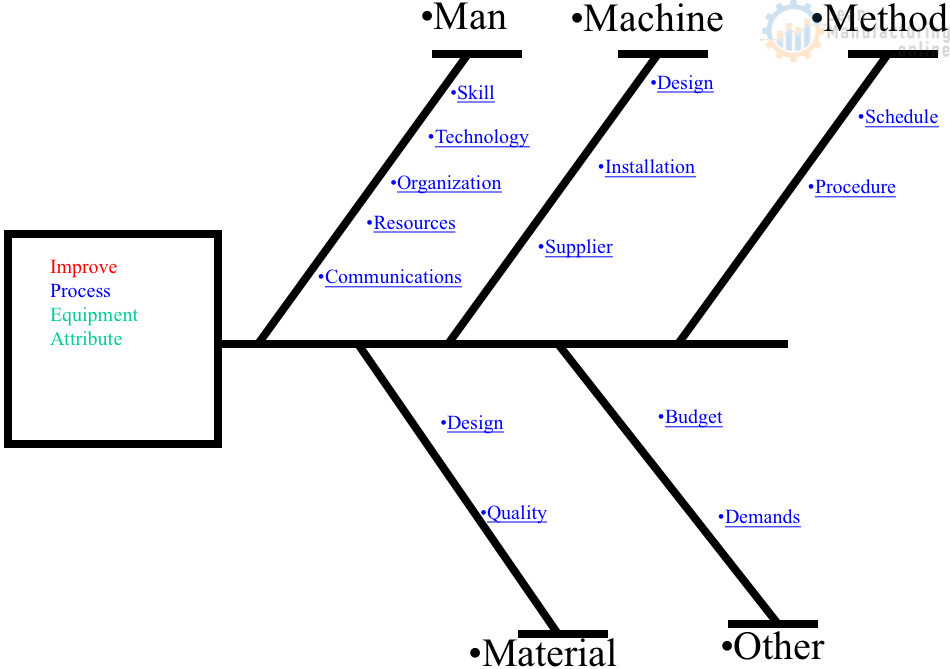
4M Analysis Process: Root Cause Guide for Manufacturing
Learn how to use 4M Analysis to find manufacturing root causes across People, Machine, Method, and Material with diagrams, examples, and checklist.