Quality inspections, testing, and audits are related, but they are not the same thing. Each one answers a different question about the product, process, system, or supplier. When they are used correctly, they help confirm requirements, detect defects, reduce risk, and trigger corrective action before problems reach the customer.
The important point is this: inspection, testing, and audit activities should not become paperwork rituals. They should make quality condition visible and help the team decide what to do next.
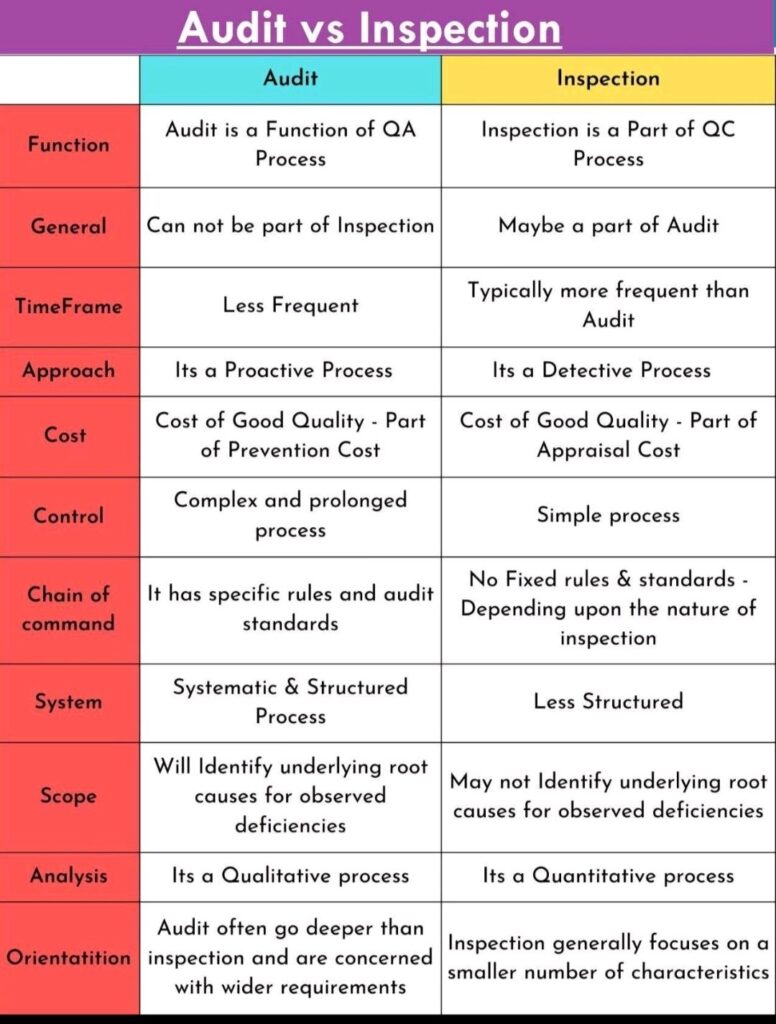
Inspection, testing, and audit: what is the difference?
Inspection checks whether a part, product, process step, or condition meets a defined requirement. Testing uses a specific method to evaluate performance, function, strength, dimension, reliability, or another measurable characteristic. Auditing evaluates whether the system, process, or supplier is following the agreed standard and whether the standard is effective.
| Activity | Main question | Typical output |
|---|---|---|
| Inspection | Does this item or condition meet the requirement? | Accept, reject, hold, sort, tag, or escalate. |
| Testing | Does this product, process, or sample perform as required? | Pass/fail result, measured value, test record, trend. |
| Audit | Is the system being followed and is it effective? | Finding, nonconformance, opportunity, corrective action. |
| Verification | Was the requirement met? | Evidence that the specified requirement was achieved. |
| Validation | Does the solution work for the intended use? | Evidence that the process or product performs in real conditions. |
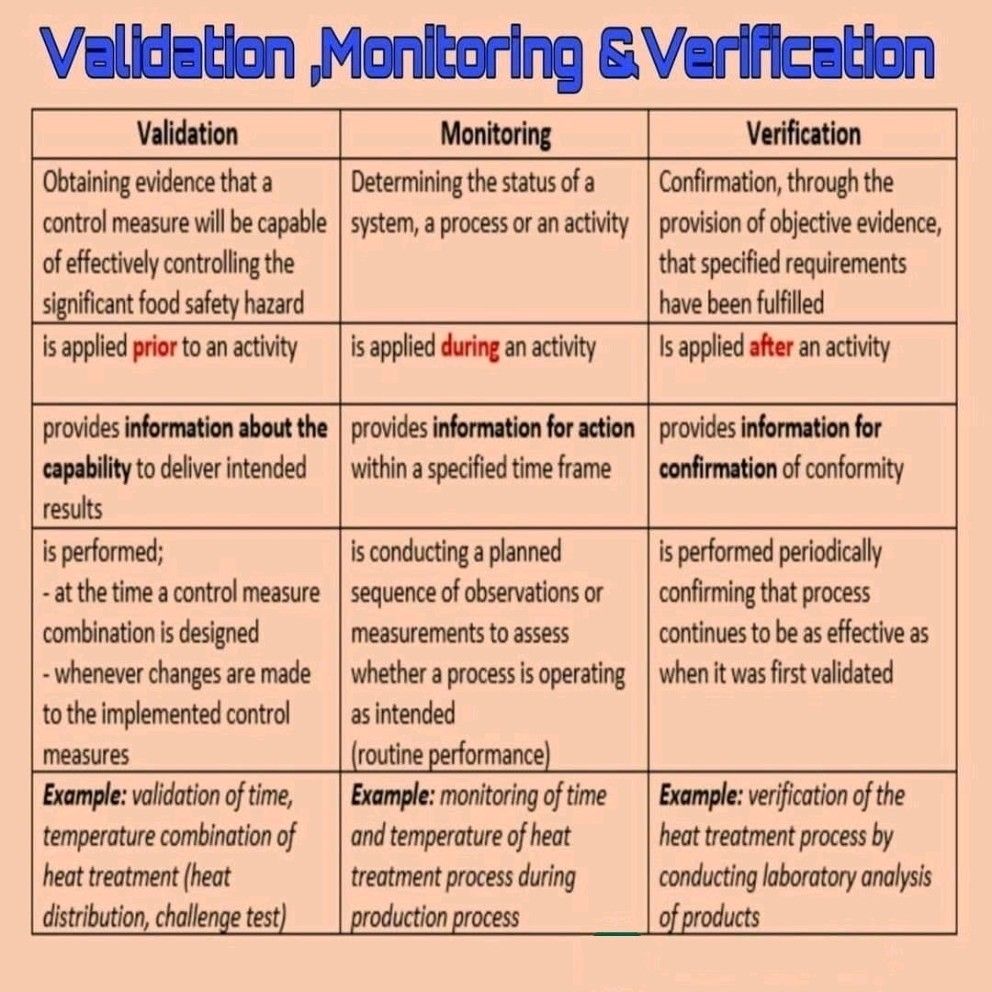
Where inspections fit in manufacturing
Inspections can happen at incoming material, first piece, in-process, final inspection, layered process audits, dock audits, or customer-return analysis. The purpose is to compare actual condition to the standard. That standard may be a drawing, specification, control plan, work instruction, visual standard, acceptance sample, or customer requirement.
Inspection is valuable, but it is usually a detection activity. It catches problems after the process has already created risk. That is why inspection findings should feed quality root cause analysis, 4M analysis, and prevention work.
Testing confirms performance
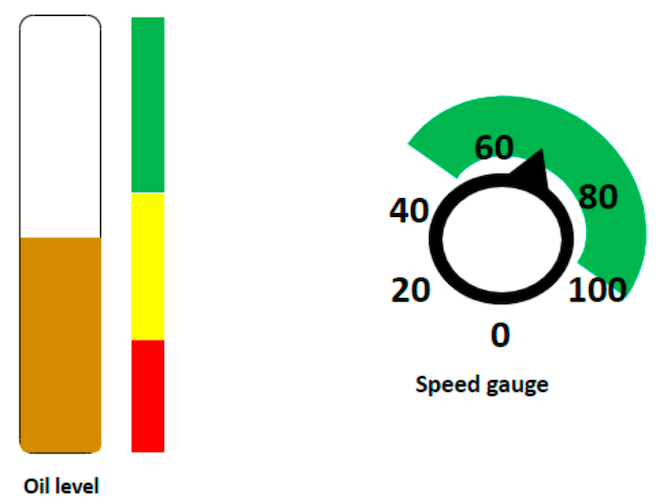
Testing uses a defined method to evaluate whether the product or process performs as expected. It can include functional testing, dimensional testing, strength testing, leak testing, electrical testing, destructive testing, non-destructive testing, performance testing, or reliability testing.
Good testing needs a clear method, trained people, controlled samples, calibrated equipment, and defined pass/fail criteria. If the measurement system is weak, the test result may be misleading. This is why testing should connect with measurement systems evaluation.
Audits check the system
An audit is not simply a search for mistakes. A good audit checks whether standards are followed, whether evidence exists, whether controls are effective, and whether risks are being managed. Audits may be internal, external, supplier, process, product, layered, safety, or compliance focused.
Audit findings should be written clearly enough that the team can understand the requirement, the evidence, the gap, the risk, and the required response. Weak audit findings create debate. Strong audit findings create action.
How to respond to quality findings
Inspection, testing, and audit results are useful only if they trigger the right reaction. A minor observation may need a quick correction. A repeated defect may need formal RCA. A high-risk nonconformance may require containment, customer communication, supplier escalation, or management review.
| Finding type | Immediate response | System response |
|---|---|---|
| Single minor defect | Segregate or correct according to procedure. | Record if required and watch for repeat occurrence. |
| Repeated defect | Contain affected product and review trend. | Start RCA or structured problem solving. |
| Measurement disagreement | Hold decision until method is confirmed. | Review MSA, training, gauge, and method. |
| Audit nonconformance | Define requirement, evidence, gap, and risk. | Assign corrective action and verify effectiveness. |
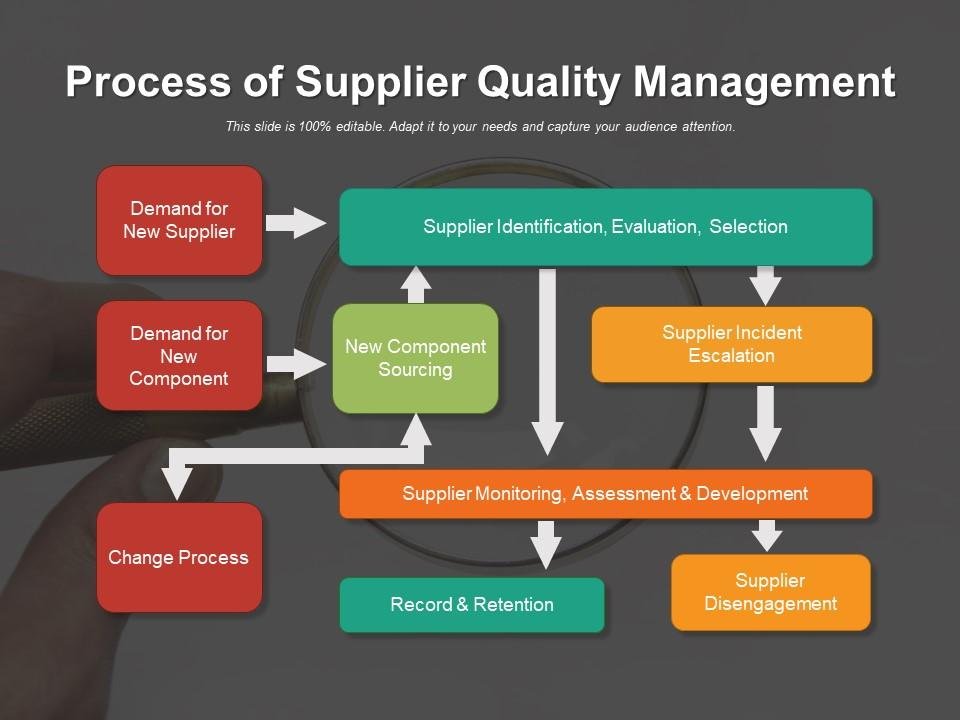
| Supplier quality issue | Contain incoming or affected material. | Escalate through supplier quality management. |
From detection to prevention
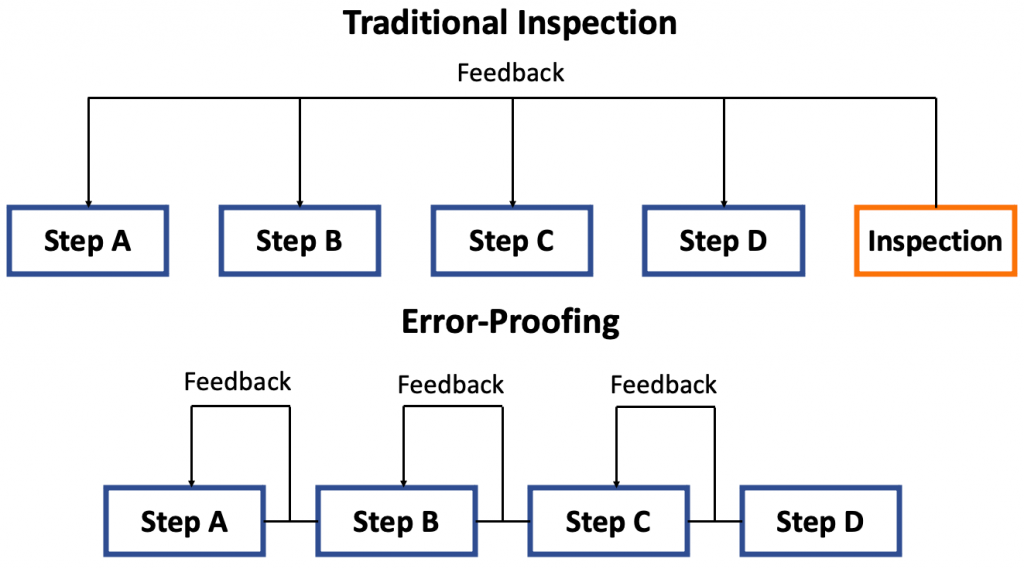
Quality systems become stronger when inspection and audit findings are converted into prevention. The goal is not to inspect more forever. The goal is to reduce the need for inspection by improving standards, process control, mistake-proofing, training, measurement systems, and supplier controls.
This connects directly to the 1-10-100 rule. The earlier the team prevents a problem, the less it usually costs. The later the problem escapes, the more expensive it becomes to contain and recover.
Use SPC and capability when data is available
When inspection and test results are numerical, the team should not only review pass/fail results. Trend the data. Look for shifts, drift, instability, and capability gaps. SPC helps teams distinguish routine variation from signals that need action.
Capability measures such as Cpk and Ppk can help show whether a process can meet requirements consistently, but only when the measurement system and sampling method are credible.
Practical checklist for better inspections and audits
| Question | Why it matters |
|---|---|
| Is the requirement clear? | People cannot inspect or audit consistently against vague expectations. |
| Is the method defined? | Different methods can create different results. |
| Is the measurement system trusted? | Bad measurement creates bad quality decisions. |
| Is reaction defined? | Findings must lead to containment, escalation, or improvement. |
| Are repeat findings reviewed? | Repeat findings show a system weakness, not only a local mistake. |
| Is effectiveness verified? | Corrective action is not complete until the problem stays corrected. |
Common mistakes
- Using inspection as a substitute for process control.
- Auditing only documents instead of checking actual work and evidence.
- Writing vague audit findings that do not identify the requirement and gap.
- Testing product without validating the measurement method.
- Closing corrective actions without checking effectiveness.
- Ignoring repeated findings because each individual finding looks small.
Turn findings into prevention
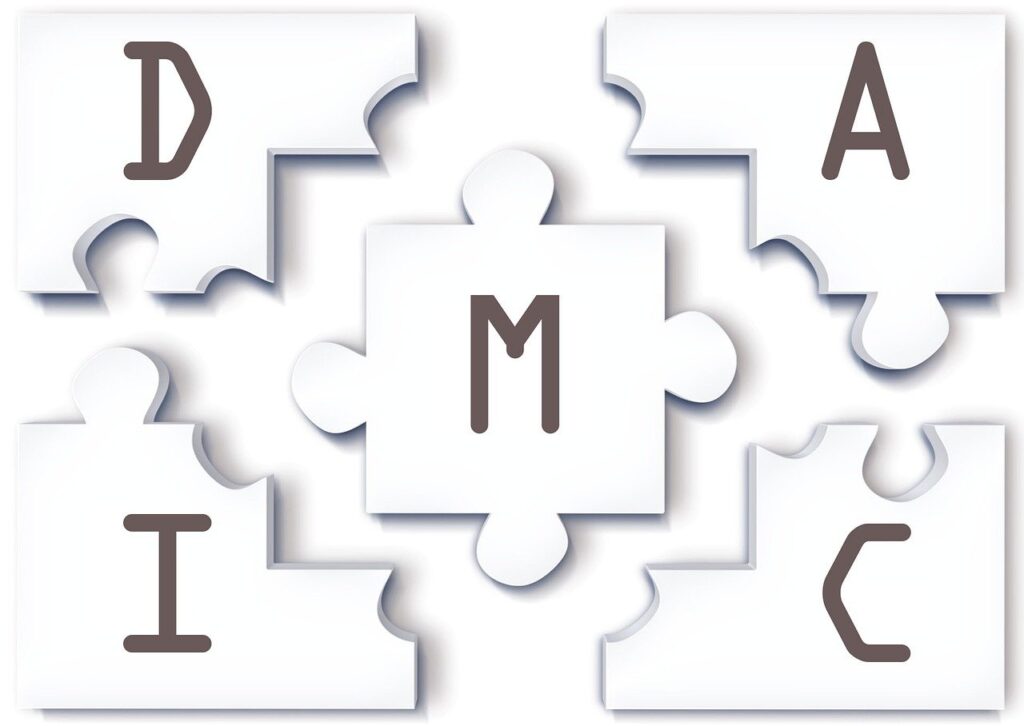
Quality inspections, testing, and audits are most valuable when they help the organization learn. They should verify requirements, reveal risks, protect the customer, and strengthen the system. When findings are connected to DMAIC, RCA, supplier quality, SPC, and manufacturing KPIs, quality control becomes a prevention system instead of only a detection system.
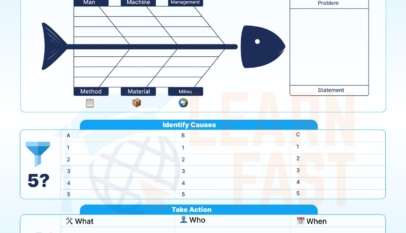



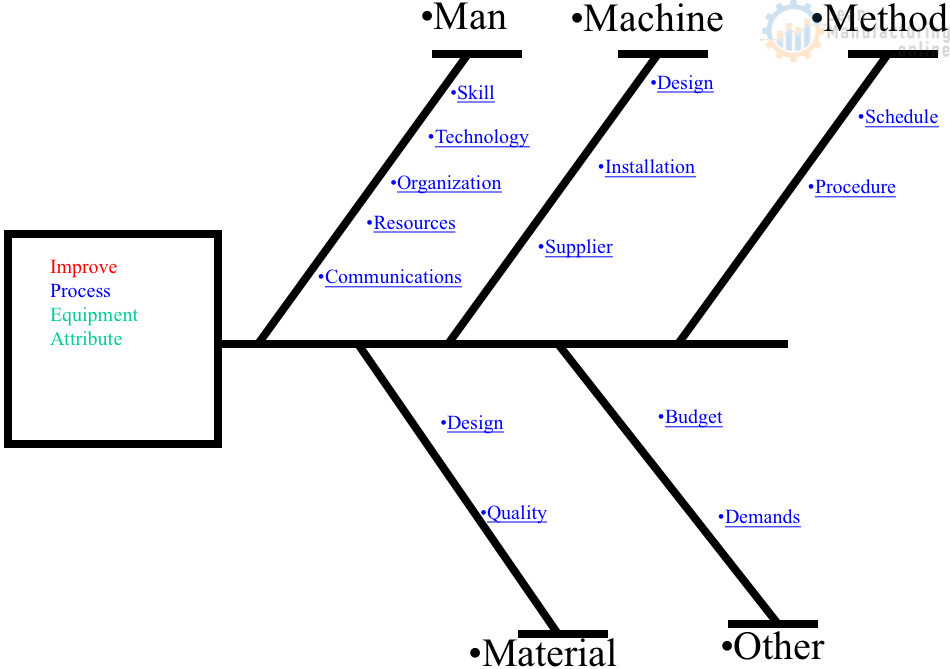
4M Analysis Process: Root Cause Guide for Manufacturing
Learn how to use 4M Analysis to find manufacturing root causes across People, Machine, Method, and Material with diagrams, examples, and checklist.