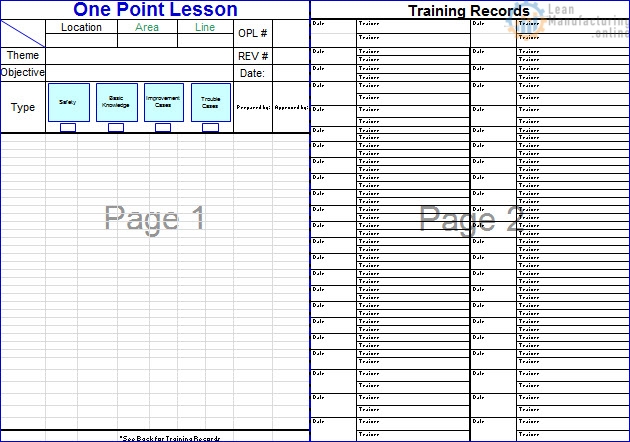
A 5S standard works best when it is located at the point of use. The right standard, in the right place, at the right time, helps people see what good looks like without searching through files, asking a supervisor, or guessing what the area should look like.
In a factory, the standard should be close to the workstation, tool board, cleaning point, material location, inspection point, or equipment area it controls. That is how 5S becomes part of daily work instead of a poster on a wall.

What is a 5S standard?
A 5S standard is a simple visual reference that defines the expected condition of an area. It usually combines short instructions, photos, labels, location marks, ownership, frequency, and audit criteria. Its purpose is to make the normal condition obvious.
After a team completes Sort, Set in Order, and Shine, the area may look excellent for a short time. The challenge is sustainment. Standardize and Sustain require everyone to understand the new condition and maintain it during normal work, not only before audits.
| 5S element | What the standard should show | Example |
|---|---|---|
| Sort | What belongs and what does not belong. | Only required tools remain at the workstation. |
| Set in Order | Where each item belongs. | Tool shadow, label, shelf mark, or material lane. |
| Shine | Cleaning points and expected condition. | No dust, oil, debris, or loose packaging under the machine. |
| Standardize | How the condition is maintained. | Photo standard, checklist, owner, frequency, and audit point. |
| Sustain | How the team checks and corrects drift. | Daily check, weekly audit, action board, and escalation route. |
Why “right place” matters
If the standard is stored in a binder, shared drive, or office, it is too far away from the work. People need the standard at the moment of decision: when they return a tool, clean an area, check a part, restock material, or notice an abnormality.
The right place is where the standard can be compared with reality. A photo of the correct workstation layout belongs near the workstation. A cleaning standard belongs near the cleaning point. A material-location standard belongs near the material rack. A tool standard belongs beside the tool board.
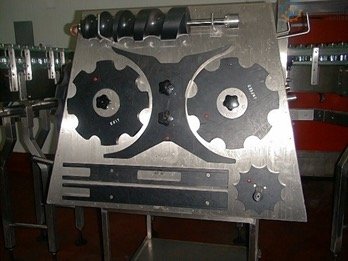
Why “right time” matters
A standard is most valuable when it appears at the moment it is needed. For example, a changeover cart standard should be visible before and after changeover. A cleaning standard should be visible during end-of-shift cleaning. A shadow board should show missing tools immediately, not after a weekly audit.
This is the practical connection between 5S and visual management. The information should arrive in time to guide action, not after the error has already happened.
What good looks like
The phrase “what good looks like” is central to 5S. People cannot maintain a condition they cannot see, understand, or compare. A strong 5S standard removes ambiguity by making the expected condition clear.
| Weak standard | Better standard |
|---|---|
| Keep area clean. | Photo shows the clean condition, cleaning points, and unacceptable examples. |
| Return tools after use. | Shadow board shows each tool outline, label, and maximum quantity. |
| Store material correctly. | Rack labels show item number, min/max, location, and FIFO direction. |
| Audit weekly. | Checklist defines pass/fail criteria, owner, frequency, and action process. |

How to create a point-of-use 5S standard
Start with the area after improvement, not before. Take clear photos of the correct condition. Add short text only where the photo is not enough. Avoid writing a long procedure when a simple visual can do the job.
A practical one-page 5S standard should include the area name, owner, photo of the expected condition, key control points, cleaning frequency, inspection points, abnormality response, and revision date. The standard should be laminated or protected if it will be used in a dirty or wet environment.
| Standard element | Purpose |
|---|---|
| Photo of good condition | Makes the expected result easy to compare. |
| Labels and location marks | Shows where items belong. |
| Owner and frequency | Makes responsibility clear. |
| Pass/fail criteria | Reduces debate during audits. |
| Abnormality process | Explains what to do when the standard cannot be met. |
| Revision date | Prevents outdated standards from staying in use. |
The original template link for this example is still available here: 5S Visual Standard template.
Connect standards to daily management
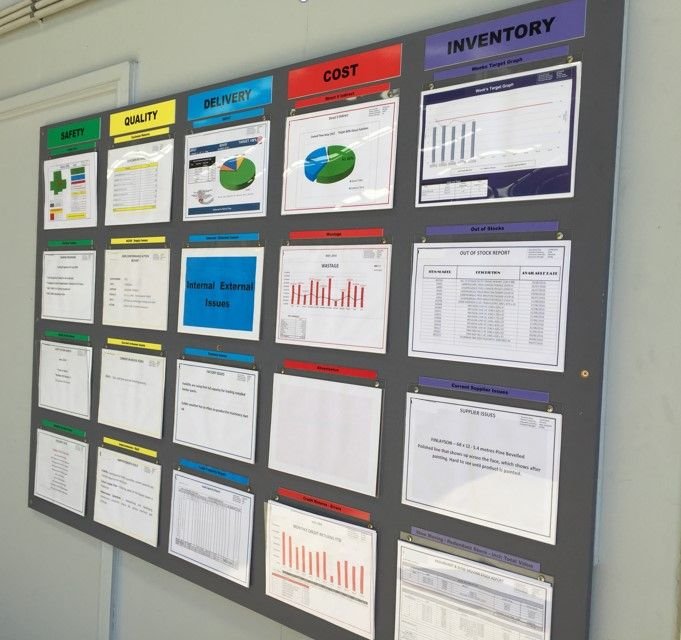
5S standards should not live alone. They should connect to daily management, team boards, action tracking, and leader standard work. If an area fails the standard, the team should know whether to fix it immediately, create an action, tag an abnormality, or escalate support.
This is where visualization, shadow boards, and F-tags become useful. They turn standards into visible control points.
Common mistakes
- Putting the standard in an office instead of at the point of use.
- Using too much text and not enough visual evidence.
- Creating a standard that shows an ideal condition the team cannot maintain.
- Failing to assign an owner and review frequency.
- Not updating the standard after layout, tool, or material changes.
- Auditing the area without coaching the team on how to sustain the condition.
How to audit the standard
A 5S audit should compare the actual condition with the visible standard. If the standard is unclear, the first corrective action is to improve the standard. If the standard is clear but not followed, the team should check training, time, access, layout, materials, and leadership follow-up.
Use Gemba walks to confirm whether the standard supports the work. Use one point lessons when a small but important standard needs to be taught quickly.
Put the standard where work happens
A 5S standard is not paperwork. It is a visual agreement about the normal condition of the workplace. When the standard is at the right place and appears at the right time, it protects the team’s improvement work, makes abnormalities easier to see, and turns 5S from an event into a daily habit.






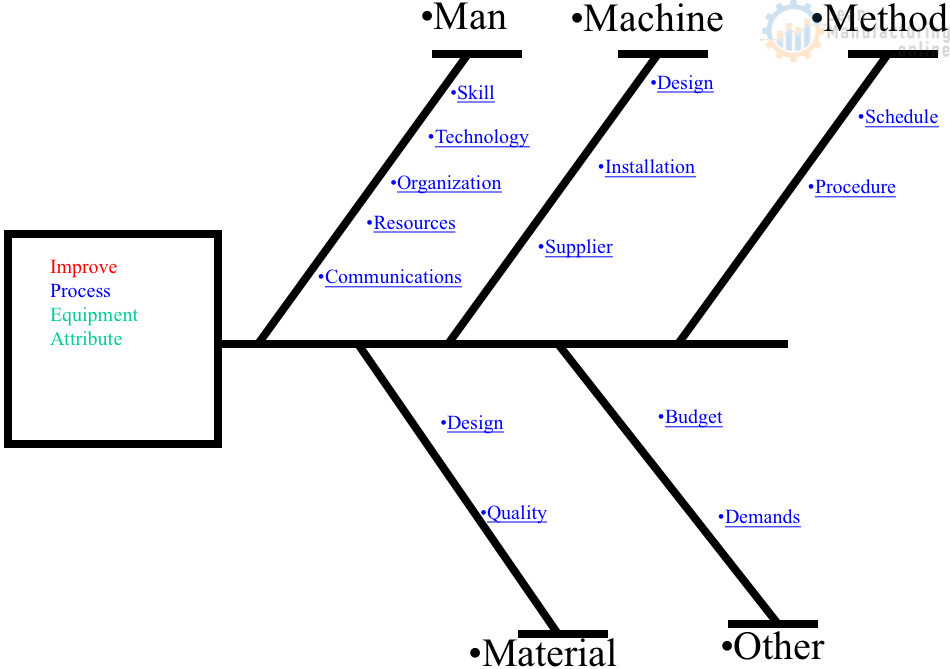
4M Analysis Process: Root Cause Guide for Manufacturing
Learn how to use 4M Analysis to find manufacturing root causes across People, Machine, Method, and Material with diagrams, examples, and checklist.