Safety F-tags are visual tags used to identify safety, health, environmental, ergonomic, quality, or equipment-related hazards that need action. They are part of a broader F-tag system, but safety tags require special attention because some conditions cannot wait for a normal review cycle.
A Safety F-tag should make the concern visible, identify the location, assign ownership, and trigger the correct response. It should never replace stop-work rules, lockout/tagout procedures, emergency response, or site Health & Safety requirements.
Important: if a condition presents immediate danger, do not wait for a routine tag review. Follow the site escalation, isolation, stop-work, or emergency process.

What is a Safety F-tag?
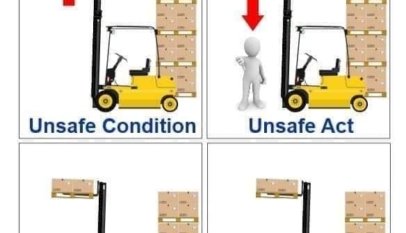
A Safety F-tag is a visual abnormality tag focused on unsafe or potentially unsafe conditions. It helps teams capture problems such as missing guards, leaks, trip hazards, damaged tools, unsafe access, exposed energy, poor visibility, ergonomic risks, or conditions that could create injury, environmental loss, or quality impact.
In Lean and TPM, Safety F-tags help turn hidden risks into visible work. The goal is not to create paperwork. The goal is to make the risk visible, prioritize the response, and close the action before the issue becomes an incident.
Safety F-tags vs normal F-tags
| Tag type | Main purpose | Typical response |
|---|---|---|
| Safety F-tag | Identify a safety, health, environmental, ergonomic, or high-risk condition. | Prioritize by severity and escalate if the risk is urgent. |
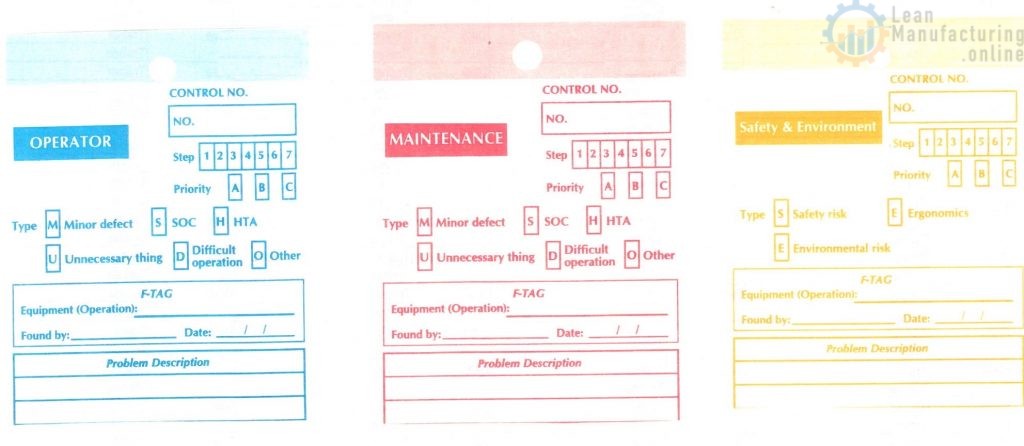
| Operator F-tag | Capture an abnormality the operating team can correct or own. | Assign to operator, team leader, sanitation, or area owner. |
| Maintenance F-tag | Capture a technical condition requiring maintenance or specialist support. | Assign to maintenance planning, mechanic, electrician, or technical owner. |
When should a Safety F-tag be used?
Use a Safety F-tag when the condition should be made visible and tracked, but the situation is controlled enough to enter the normal escalation process. Examples include a damaged hand tool, missing label, poor access, small leak, unsafe storage condition, recurring trip hazard, or ergonomic concern.
Do not use a tag as a delay mechanism. If the issue is immediately dangerous, stop the work if required by your local procedure, isolate the risk if you are authorized, and escalate to the supervisor, maintenance, or Health & Safety owner.
Safety F-tag priority logic
A practical Safety F-tag system usually separates concerns into priority levels. The exact wording should match the local H&S system, but the logic is simple:
- High priority: immediate danger, serious injury potential, uncontrolled energy, missing critical guarding, or condition requiring immediate escalation.
- Medium priority: significant risk that needs a planned correction soon and should be tracked visibly.
- Low priority: minor unsafe condition or improvement opportunity that should still be corrected before it becomes normal.
How Safety F-tags fit with the main F-tag system
Safety F-tags are one category within the broader F-tag process. The team may also use operator tags for simple abnormalities and maintenance tags for technical issues. The important point is ownership: every tag needs a clear owner, priority, due date, and closure check.
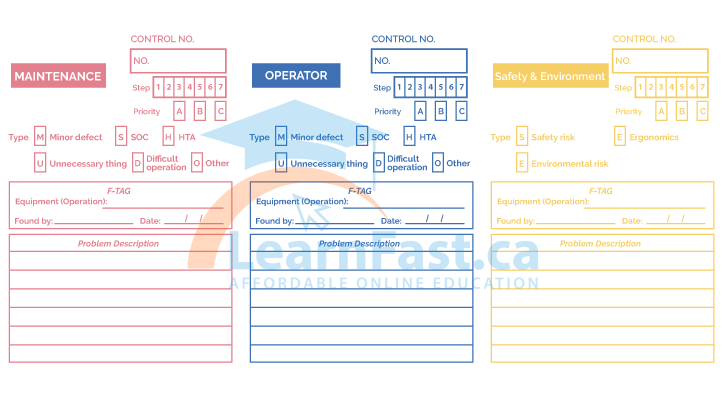
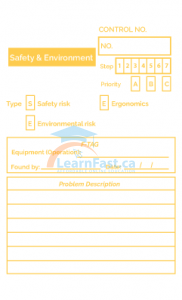
Yellow Fuguai tag for safety concerns
Many F-tag systems use a yellow tag to identify safety, ergonomics, environmental, or quality concerns. The color helps teams quickly see which items need safety attention during Gemba walks, daily reviews, and maintenance planning.
Safety F-tags and lockout/tagout
When the concern involves energy, motion, electrical hazards, trapped pressure, mechanical movement, or maintenance work, Safety F-tags must support the approved lockout/tagout process. A tag should not replace isolation, verification, authorization, or site-specific procedures.
Related page: Lockout Tagout LOTO.

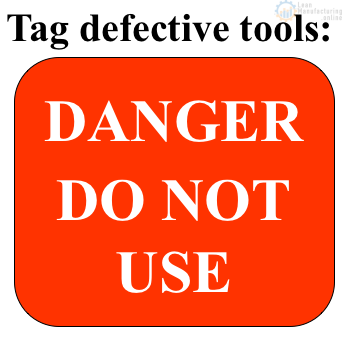
Defective tool safety tags
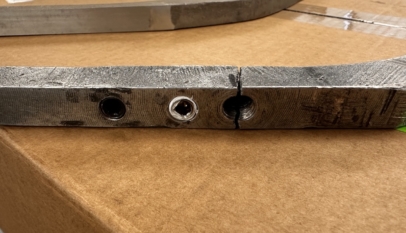
Some Safety F-tags are simple but important. A damaged tool should be made visible, removed from use when required, and corrected through the local process. This avoids the common problem of a known unsafe item being passed from person to person.
Decision charts and escalation rules
Decision charts help teams decide whether an issue can be handled through routine tagging or whether supervisor review, maintenance support, lockout/tagout, or immediate escalation is needed. They are useful when non-routine work, cleaning, troubleshooting, or maintenance activity creates uncertainty.

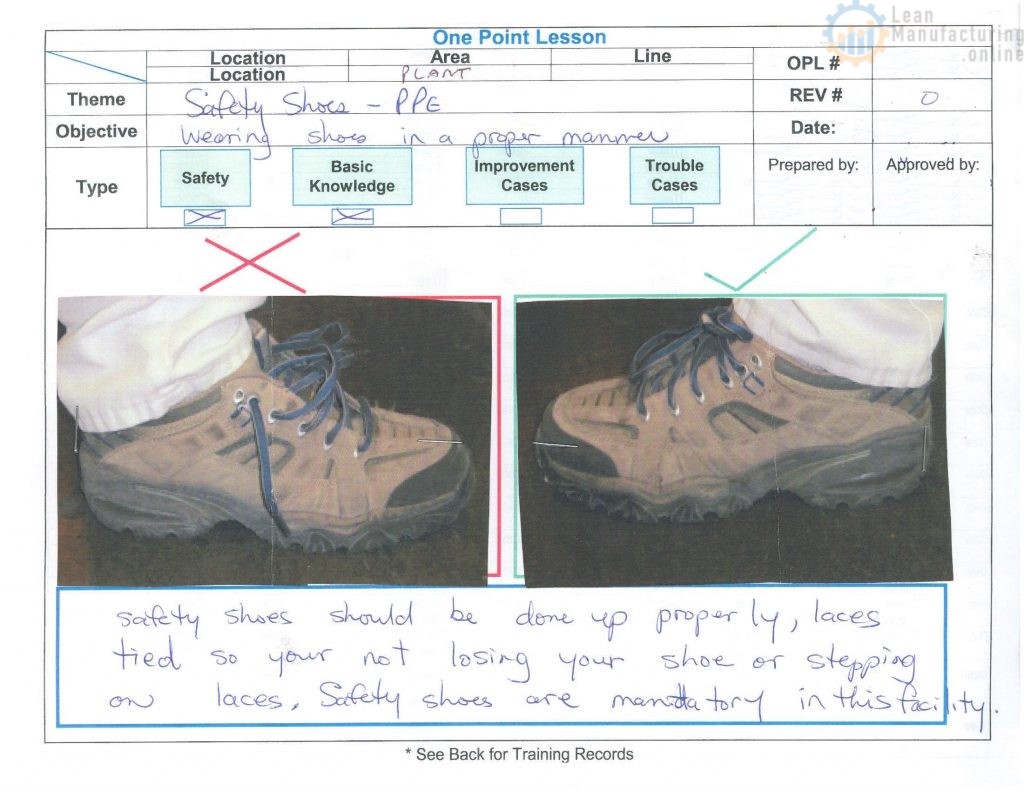
PPE-related Safety F-tags
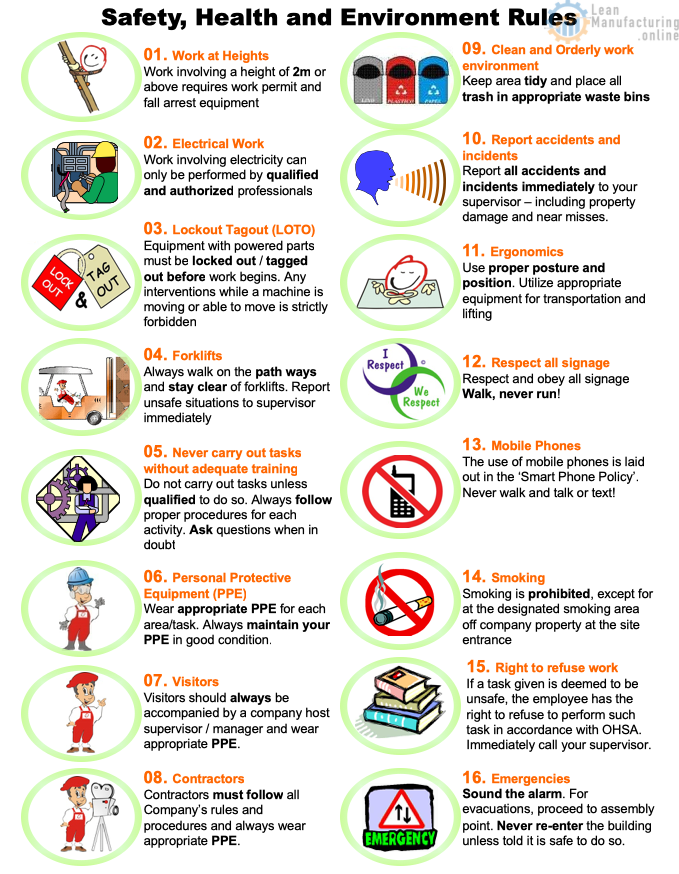
PPE-related tags are useful when a repeated unsafe behavior or missing control is seen at the point of work. The tag should help the team understand the risk, the required protective equipment, and when to stop and ask for clarification.
What should be recorded on a Safety F-tag?
- Exact location of the hazard or abnormality
- Short description of the unsafe condition
- Photo or visual reference when possible
- Risk level or priority
- Immediate containment or escalation action
- Owner responsible for correction
- Due date or required response time
- Closure verification and date
Safety F-tag workflow
- Identify the condition. Find the hazard during work, cleaning, inspection, Gemba walk, or maintenance review.
- Control urgent risk first. If the condition is immediately unsafe, follow the site escalation or stop-work process before routine tagging.
- Create the Safety F-tag. Record the problem, location, date, risk, and reporter.
- Prioritize the tag. Separate urgent safety items from routine improvement items.
- Assign ownership. Give the tag to the correct owner: operations, maintenance, safety, engineering, or leadership.
- Close and verify. Confirm that the action removed or controlled the risk.
- Prevent recurrence. If the issue repeats, use Why-Why Analysis, 4M Analysis, or a Safety One Point Lesson.
Common Safety F-tag mistakes
- Using a tag instead of immediately escalating a serious hazard
- Writing vague descriptions such as “unsafe” without explaining the condition
- Leaving the owner blank
- Not separating urgent risk from routine improvement
- Closing the tag without verifying the actual condition
- Allowing repeated tags without root cause analysis
How Safety F-tags support Lean and TPM
Safety F-tags support Autonomous Maintenance, Planned Maintenance, Gemba Walks, visual management, daily management, and abnormality control. They help teams see hazards earlier and make corrective actions visible.
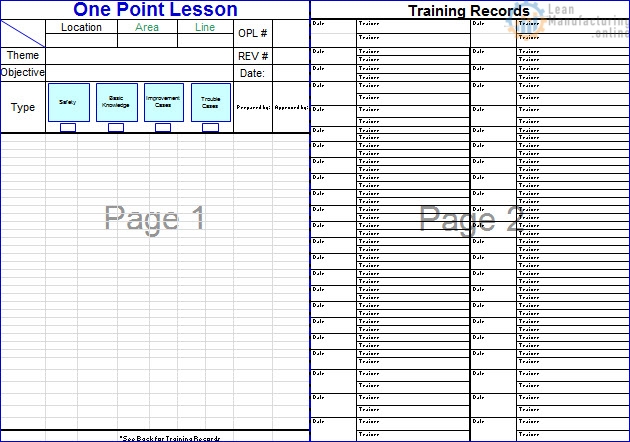
For the broader tagging system, see What Are F-Tags?. For OPL-based safety training, see What Are One Point Lessons? and One Point Lesson Examples and Templates.
Make risk visible before it becomes an incident
Safety F-tags are valuable because they make risk visible. The tag itself is not the solution; the solution is the discipline of prioritizing the concern, assigning ownership, correcting the condition, and verifying that the risk is controlled.

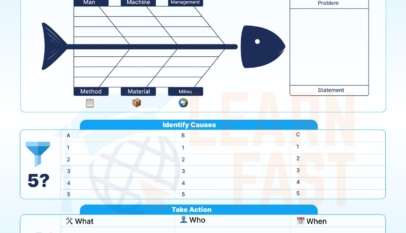




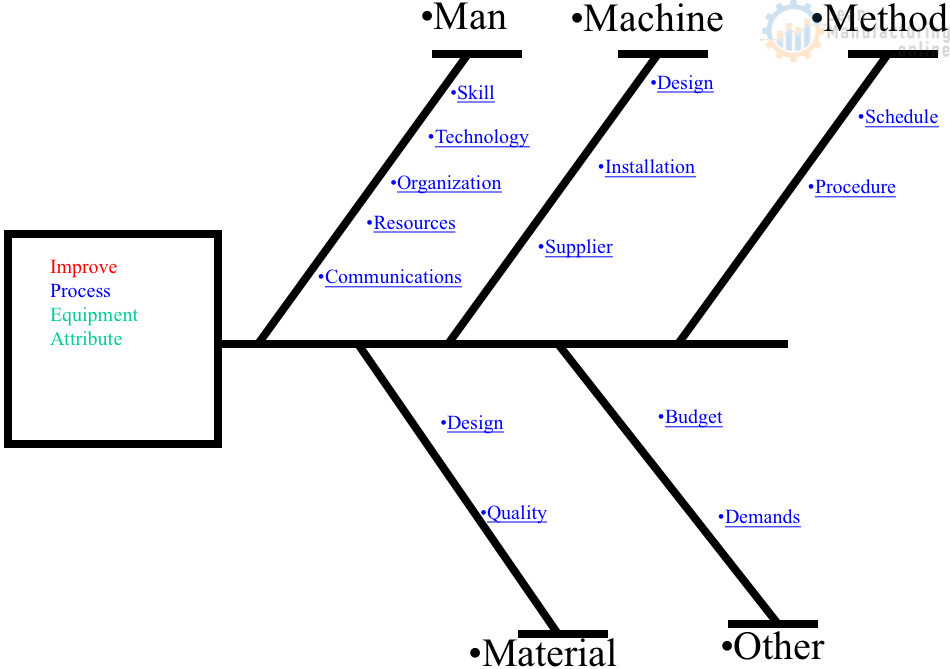
4M Analysis Process: Root Cause Guide for Manufacturing
Learn how to use 4M Analysis to find manufacturing root causes across People, Machine, Method, and Material with diagrams, examples, and checklist.